

This post was originally published on this site.
A blog is one of the best investments you can make — personally and professionally.
It can drive traffic to your website, boost your career or business, help you learn valuable skills, or simply give you a creative outlet.
Even after 10 years of blogging for myself and others, I still find it enjoyable, meaningful, and one of the most effective ways to earn web traffic.
So come along and see why you should start a blog in 2026.
1. Be visible in search engines
Search is changing in 2025 — but blogs are still one of the best ways to ensure people find you online.
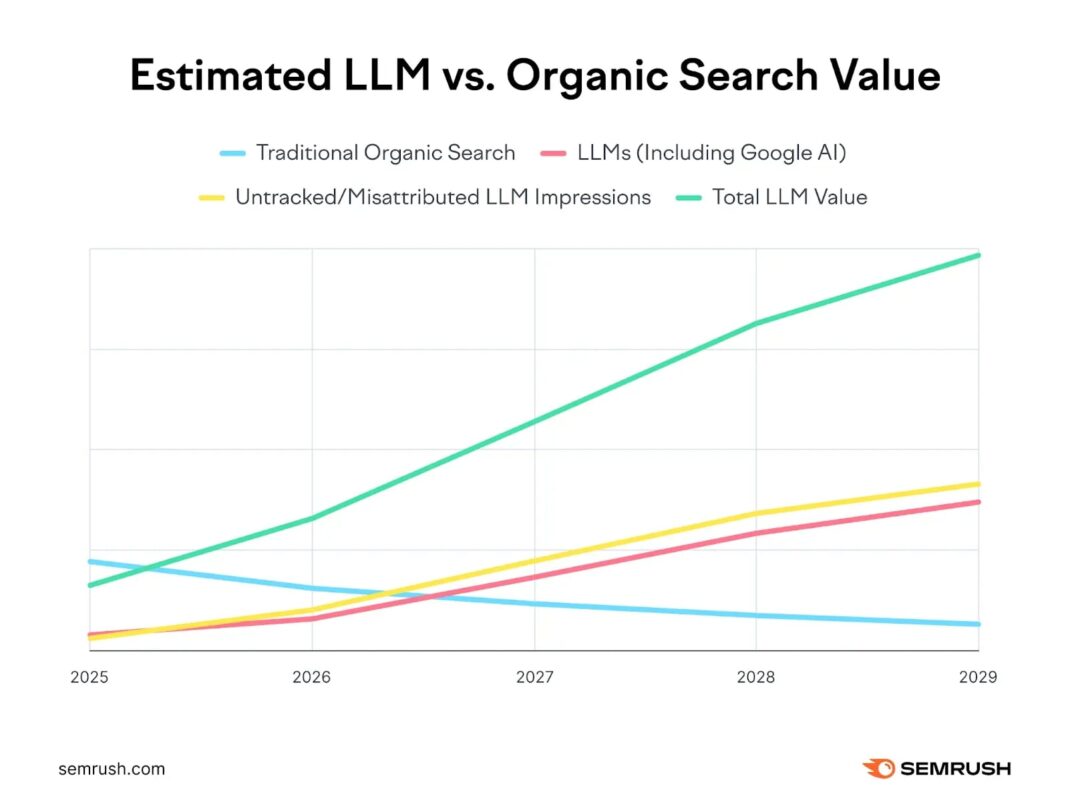
Traditional search engines like Google still send huge amounts of traffic to the posts and pages that rank — and the same content often gets cited or summarized by AI tools like ChatGPT.
Here’s a quick snapshot:
Consequently, it’s not surprising that 81% of marketers continue to see results from their blog posts, 21% even report strong results.
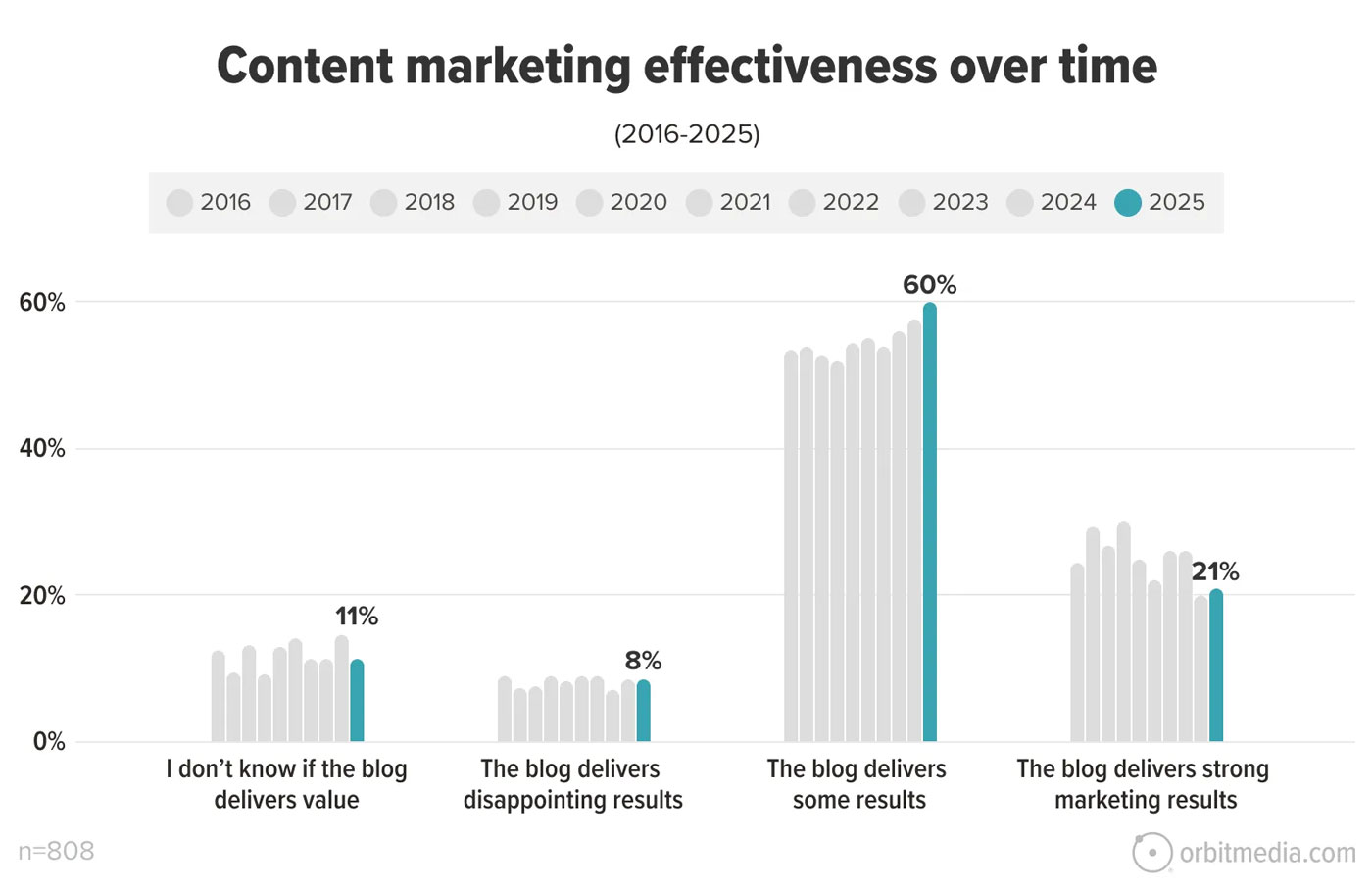
Blogging is an essential tool to showcase your expertise, which is key for both Google and AI search tools.
So, if your goal is to attract website visitors from those sources, starting a blog is definitely a step in the right direction.
2. Attract long-term, sustainable traffic
Unlike the short-lived bursts of social media content, blog posts continue to create value and bring in visitors long after they’ve been published.
Blogging efforts compound over time.
On most social networks, your visibility often declines quickly when you stop posting.
However, the content you publish on your blog is a long-term investment that keeps paying off.
For example, below is a screenshot from an article on my own website:

Published at the end of May 2025, you can clearly see that its rank, impressions, and clicks have slowly improved over the months. Six months later, it has become one of my top five pages for organic traffic.
This goes hand in hand with insights from Databox, where nearly half of the people surveyed stated that older blog posts bring in 61-80% of their organic traffic.
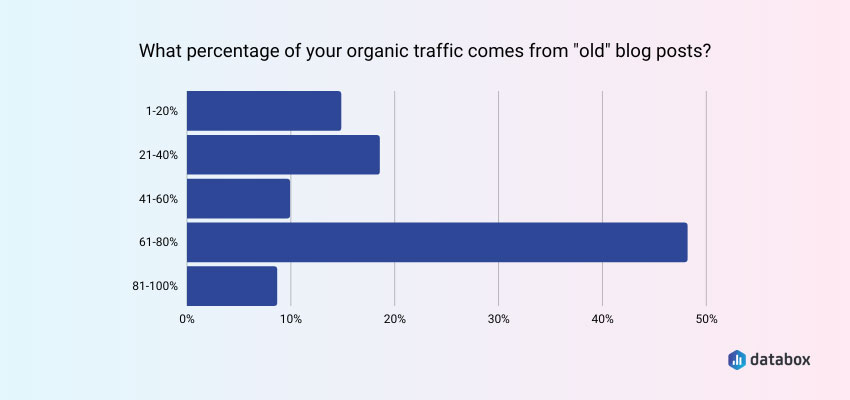
This research also highlights the value of consistency and patience: 32% of survey respondents said it took them four to six months to reach 1,000 monthly visitors.
Blogging is effective because once you’ve reached a certain level, you can expect your efforts to keep paying dividends.
3. Build a brand and attract clients
A blog helps you sharpen your online profile and build a reputation, both for a personal website and/or for your business.
It’s the perfect vehicle to demonstrate your expertise, skills, values, personality, and what you want people to associate with you.
According to HubSpot’s 2025 State of Blogging Report:
- 66% of businesses that blog do so to boost brand awareness
- 53% do it for customer engagement
- 49% do it for lead generation
Half of marketers said their ROI from blogging increased in 2024, and 45% were planning to expand their blogging budgets in 2025.
Blogging isn’t just for companies, though.
Even a personal blog can create real-world opportunities. Think paid writing gigs, speaking engagements, consulting jobs, or media and brand partnerships.
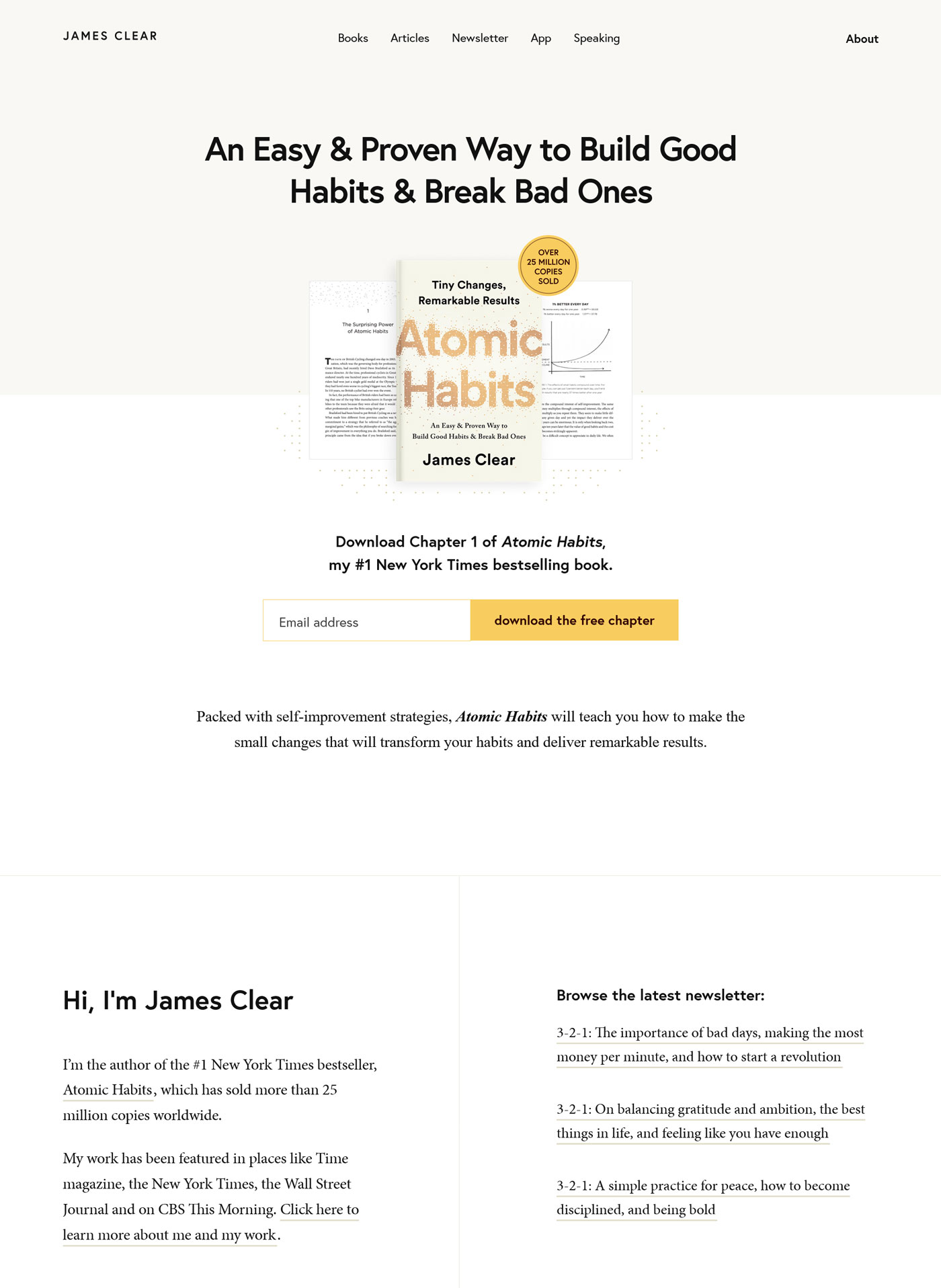
Some bloggers, like Chris Guillebeau and James Clear, even translate their blogging into book deals:
I’ve experienced this myself.
In my 10+ years as a freelance writer, I rarely had to do active outreach. I got my start by writing a blog, then used that body of work to land my first client.
For the past decade, I have continued to find work because of articles I had already published on my clients’ sites, as well as my own.
Blogging has allowed me to demonstrate my expertise and build a reputation — and it can do the same for you.
4. Generate a stable income
Besides opening doors to paid opportunities, a blog itself can be a direct source of income.
Blogging has low overhead, can be done from anywhere, and offers many paths for monetization.
Here are the most common ways bloggers earn money:
- Services: Write about the problems your target audience faces and let them hire you to help. For example, SEO agencies and consultants may publish SEO tutorials and upsell their services.
- Affiliate marketing: Recommend products or services using special links. When someone buys through your link, you earn a commission.
- Digital products: Create and sell your own ebooks, templates, courses, or downloads. You keep 100% of the profit.
- Advertisement: Reserve space on your site for ads, either through ad networks or direct deals, and earn money through clicks or impressions. For example, users on the WordPress.com Premium plan and above can join WordAds — the platform’s built-in ad network for monetizing site traffic.
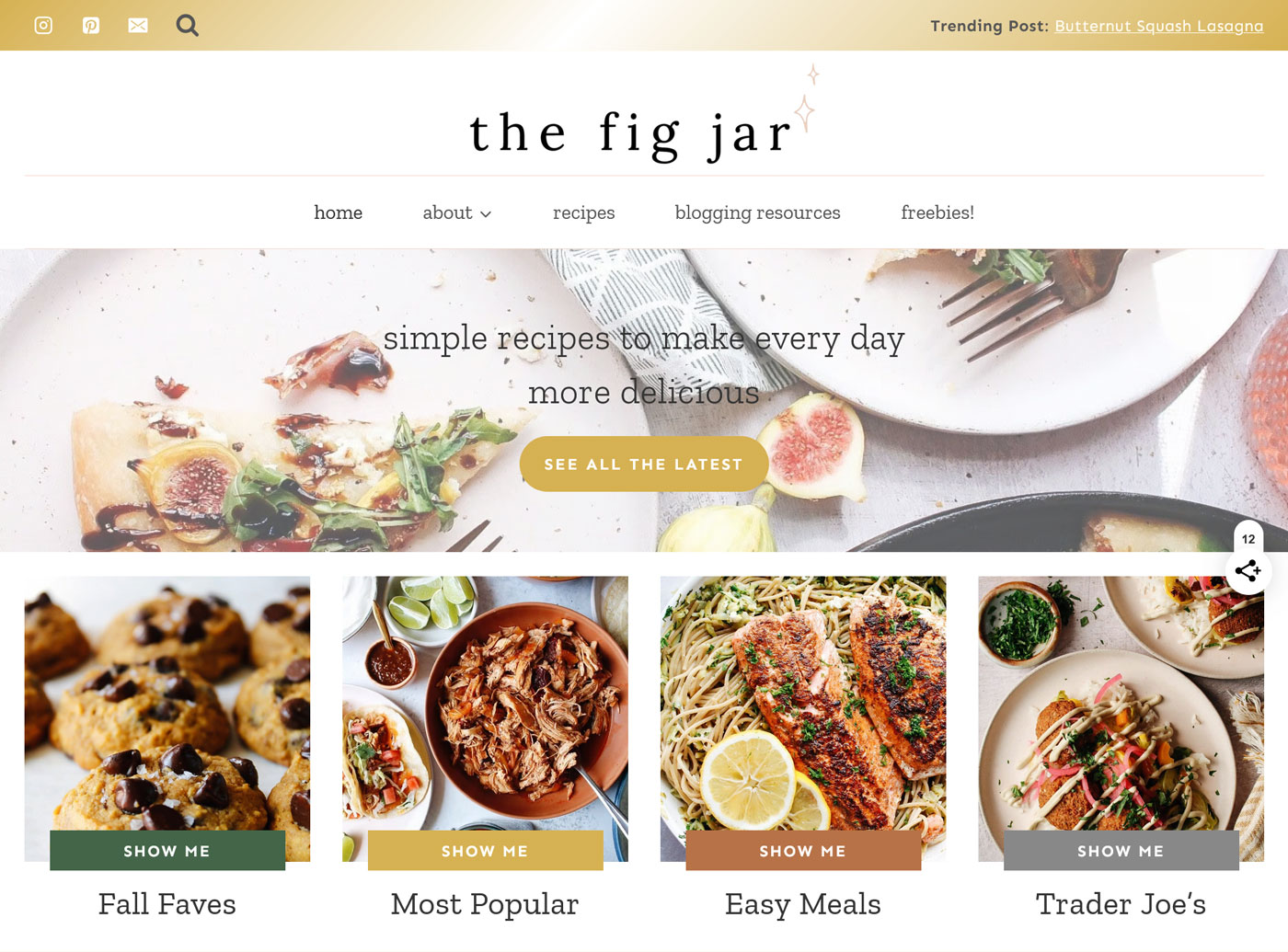
You can see this in action in the food blog The Fig Jar.
In the last quarter of 2024, its owner earned nearly $7,000 in net profit from a mix of display ads, affiliate marketing, and digital products.
Another example is Meal Prep Manual, which, you guessed it, mainly publishes meal prep recipes.
It’s monetized through affiliate marketing and digital products.
While the site doesn’t publish income reports, Semrush’s Traffic Analytics tool estimates it received over 120K total visitors in September 2025 alone:

That’s a solid traffic base for a blog that has been around since 2020, especially when paired with its YouTube channel.

Using these tactics, a blog can grow into an income stream — or even a full-time business — that gives you independence and the ability to be your own boss. For example, you could start a content writing or web design agency.
5. Own your presence and audience
Unlike a social media profile, your blog can’t be taken from you. It’s an online presence you actually own, which makes you far more resilient to changes.
Influencer culture has made it seem like being present online means massive followings on Instagram, TikTok, or other social networks.
You should never lose sight of the fact that your profiles on these platforms are assets you don’t really own:
- When platforms change their algorithms, designs, or priorities, your reach can evaporate.
- Your account could be suspended for an accidental violation of the terms of service.
- Legislation or policy changes could shut the network down — or block access in your region.
- A company or person you don’t want to support might acquire your favorite platform.
In simple terms, when you don’t own the infrastructure, everything you’ve built can disappear overnight, including your audience, income, and archive of work.
Just look at the responses in this Reddit thread about a potential ban of TikTok in the US:

Owning your blog gives you complete control over your content. That said, you can always combine multiple channels and grow your presence — just don’t put all your eggs in one basket.
With a WordPress-based site, you own both your content, data, and design. You can export it, download it, and take it with you wherever you want. Including your audience, especially if you build an email list alongside your blog.
6. Build a content foundation for repurposing
A blog not only gives you a hub for all your content efforts — every post you publish is raw material for dozens of other content pieces.
Blogging allows you to do the hard work once and then repurpose it for the rest of your marketing channels.
This is why so many creators, marketers, and businesses build their content strategy around long-form blog posts. One article can become:
- One or more YouTube or TikTok videos
- A series of Bluesky or Threads posts
- An email series for your newsletter
- The basis for an infographic
- Podcast material
For example, I turned a book summary I wrote for my own blog into a LinkedIn carousel:

Sure, repurposing takes time — but a large share of the work is already done.
Why waste it? Each new article you publish can fuel your social feeds, nurture your email list, and reinforce your expertise across platforms.
7. Learn, grow, and inspire others
Running a blog is a powerful tool for learning — and teaching. It forces you to truly understand the topics you cover and also lets you contribute to the success of others in a meaningful way.
If there’s something you are deeply interested in or passionate about, starting a blog about it is a great way to expand your knowledge and competence in that area.
It takes a lot of research to understand something to the point where you can explain it to other people.
For example, much of what I know about SEO, CSS, or how to customize WordPress through code comes from writing blog posts about these topics.
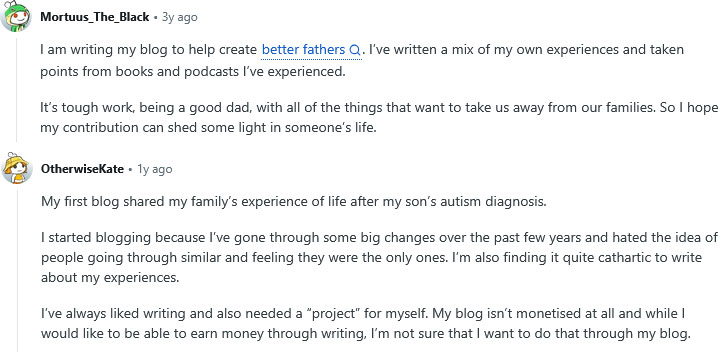
In addition, sharing what you learn is very satisfying. It allows you to help other people. In fact, many bloggers start out because they want to make a difference and contribute to society.
8. Build a valuable skill set
Besides expanding your knowledge, running a blog teaches you a wide range of valuable skills, both technical, creative, organizational, and interpersonal.
Many of these make you a stronger employee, collaborator, freelancer, or creator.
Naturally, one of the main skills you’ll sharpen is your writing ability.
In addition, here is a sampling of the design and marketing skills you’ll use regularly when producing blog content:
Besides that, you also learn a surprising number of soft skills: self-motivation, goal setting, discipline, time management, and putting yourself in your readers’ shoes.
Running a blog is an education in its own right.
9. Enjoy yourself
You don’t have to blog with a financial goal in mind or to achieve a strategic outcome.
Blogging can also be a deeply personal activity you simply do because it’s fun, meaningful, or provides you with a creative outlet.
For example, you might start a blog to:
- Share your ideas
- Document a journey (emotional or physical)
- Chronicle your everyday life
- Build a creative habit
- Claim your own little corner of the web
- Clarify your thinking
- Explore hobbies
- Confront fears or shyness
- Share your passions
- Grow as a person
- Champion a cause you care about
These are just a few examples. When you look online, you will find that people have many reasons to start a blog.
For example, this blogger turned to writing and sharing recipes online after losing her restaurant during COVID, using a blog to keep her passion alive and reach people worldwide:

How to easily start a blog with WordPress.com
Does the list above have you feeling motivated and wanting to start a blog right away?
Good news: You can have one up and running in less than 15 minutes.
Just click on Get started in the top right corner of this blog or the WordPress.com homepage.
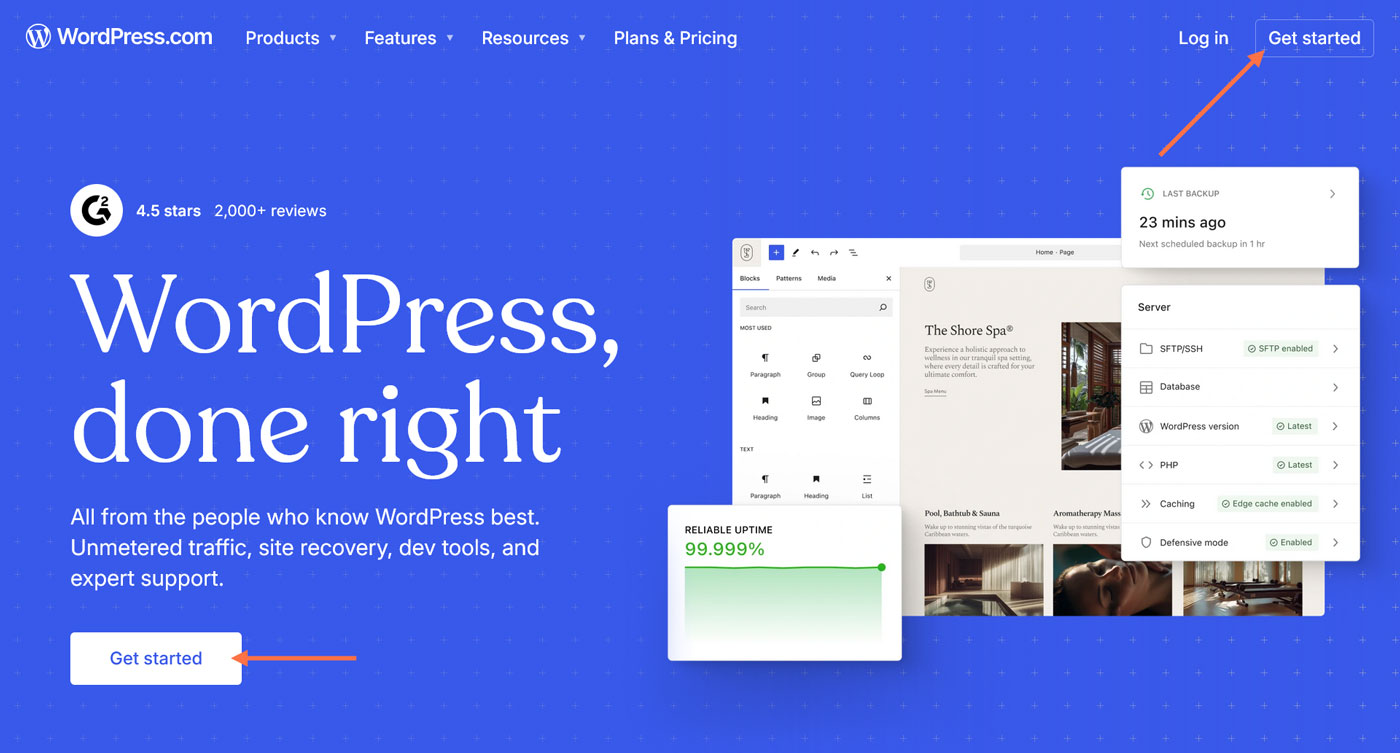
Every WordPress.com hosting plan comes with automated backups, updates, performance optimization, and security features.
That way, you can fully concentrate on creating content, learning, and connecting with your audience.
Once signed up, pick a blog theme in your admin panel under Appearance → Themes to choose what your blog will look like.

Customize your design using the Site Editor — from colors and fonts to individual page elements. Access it under Appearance → Editor.
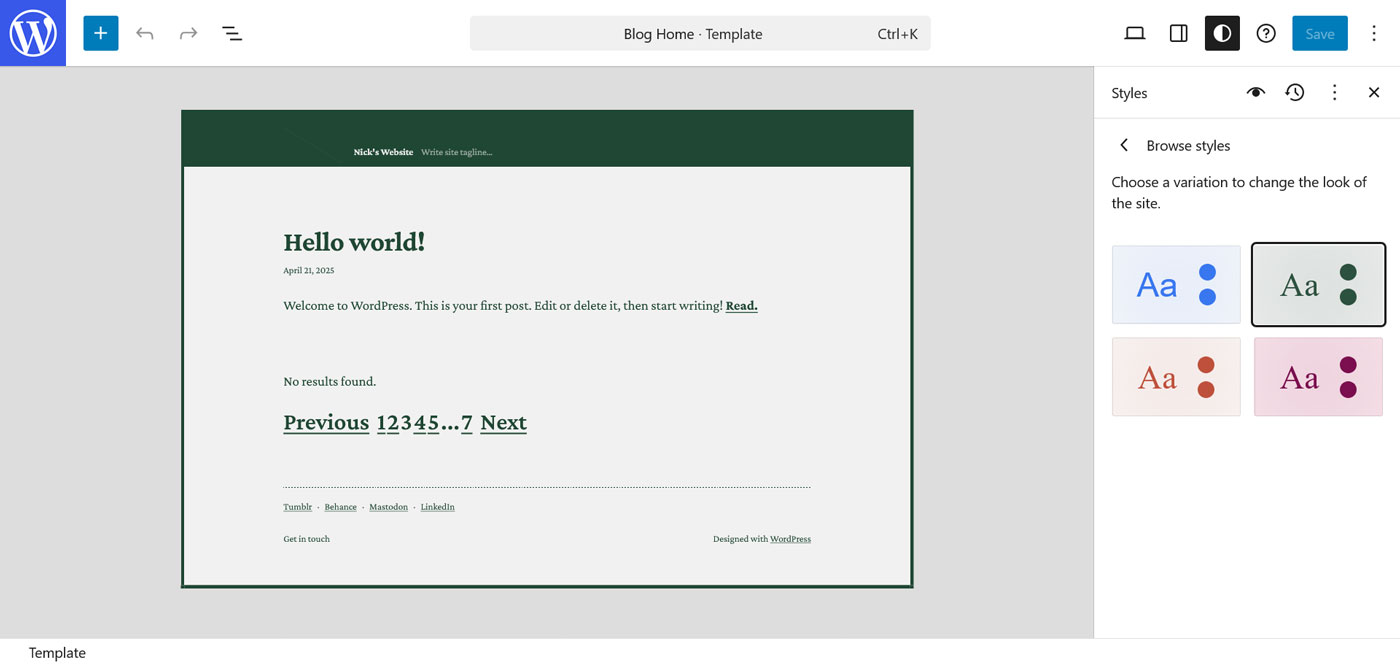
You can also create new pages, add them to a menu, and define your blog page if you don’t want your posts to appear on your front page.
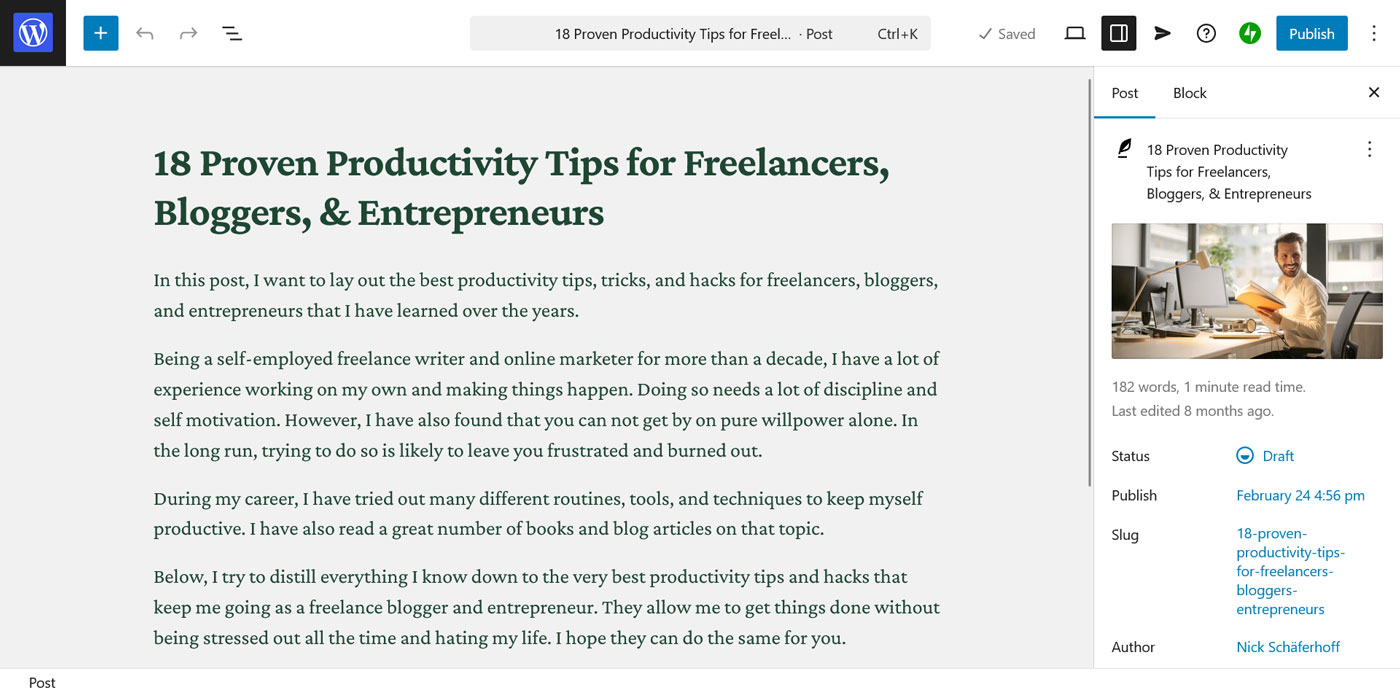
That’s basically it. All that’s left is to start creating blog posts and putting them online.
If you want more details and step-by-step instructions, check our detailed article on how to start a blog. We also have instructions for how to properly write a blog post and how to increase blog traffic.
Your blog starts here
So, why should you start a blog, even in 2026?
The better question is: Why not?
Everything that made blogging successful is still relevant today, even if the online environment is changing.
Running a blog allows you to attract long-term traffic, make a name for yourself or your business, and monetize your audience.
It’s also a way to build knowledge, learn valuable skills, or simply do something enjoyable.
If you want a partner that makes it easy to start a blog at any skill level and without a technical background, sign up for WordPress.com.