
This post was originally published on this site.

Stay informed with free updates
Simply sign up to the US inflation myFT Digest — delivered directly to your inbox.
Top Federal Reserve officials have said that the US central bank must not be complacent on fighting inflation, as they warned that long-term borrowing costs will rise if Americans lose faith in policymakers.
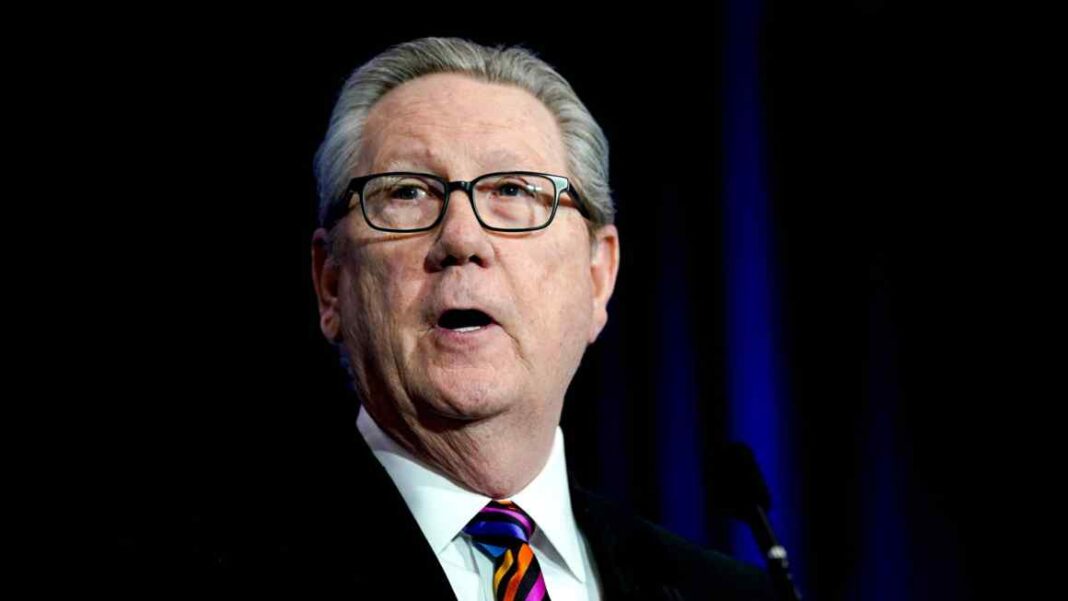
Kansas City Fed chief Jeff Schmid, who objected to Wednesday’s rate cut, said “I continue to hear concerns about inflation” in his conversations with businesses and households in the US West and Midwest.
“Inflation remains too high, the economy shows continued momentum, and the labour market — though cooling — remains largely in balance,” he wrote in a statement released on Friday morning.
The comments by Schmid, who was also the sole dissenter against the October cut, come two days after the central bank lowered borrowing costs to the lowest level in three years, in a decision that exposed deep fissures on the central bank’s rate-setting board.
Chicago Fed head Austan Goolsbee and Schmid dissented against the decision, saying rates should have remained on hold.
Goolsbee echoed Schmid’s sentiment on inflation, saying on Friday that, “given that inflation has been above our target for four and a half years, further progress on it has been stalled for several months, and almost all the businesspeople and consumers we have spoken to in the district lately identify prices as a main concern”.
Another four non-voters launched “shadow dissents”, showing on the central bank’s projections that they preferred to keep rates steady rather than the quarter-point reduction to a range of 3.5 to 3.75 per cent.
Fed governor Stephen Miran, a staunch ally of Donald Trump, also dissented against the decision, saying rates should have been cut by a half-point, in line with the president’s calls for aggressive reductions to borrowing costs.
“As we look back over the past few decades, one of the greatest economic policy successes for the Fed, for the country and perhaps for the world has been the decline in worries about inflation,” Schmid said on Friday.
“Any increase in inflation uncertainty could unfortunately reverse some of these gains, potentially increasing long-term interest rates, including on US government debt,” he said, adding that, “though I believe our credibility on inflation remains intact, I don’t think we can be complacent”.
The personal consumption expenditures price index, the Fed’s preferred inflation gauge, rose at an annual rate of 2.8 per cent in September, up from 2.7 per cent the previous month. The Fed targets 2 per cent inflation.
Goolsbee blamed Trump’s tariffs for at least some of the recent increase in inflation.
“Fundamentally, the elevated inflation may have come mainly from tariffs and may quickly prove transitory,” he said.
He continued: “The danger, of course, is either the tariff inflation proves more long-lasting than we currently forecast or that inflation in more persistent categories like non-housing services remains too high or gets worse.”