

This post was originally published on this site.
Design and prototyping play vital roles in product development by ensuring that both functionality and aesthetics are effectively integrated. Design focuses on creating user-centered solutions, whereas prototyping allows for rapid testing and refinement of ideas. For instance, using wireframes or 3D models can reveal potential flaws before a product launch. Comprehending these processes is fundamental for mitigating risks and enhancing user satisfaction. So, how do these elements interact to promote innovation in the development cycle?
Key Takeaways
- Design merges aesthetics and functionality, enhancing user engagement and attracting customers to products.
- Prototyping allows early experimentation, identifying flaws and saving costs by preventing late-stage changes.
- User feedback during prototyping fosters a human-centered approach, improving overall user experience and satisfaction.
- Utilizing various prototype types accelerates innovation and collaboration within cross-functional teams, leading to better product outcomes.
- Prototyping acts as a risk management tool, revealing potential issues early and ensuring compliance with industry standards.
The Role of Design in Product Development
Design plays a vital role in product development, as it merges aesthetics with functionality to create products that not just attract customers but likewise effectively address their needs.
Incorporating design and prototyping, the process begins with a human-centered approach, emphasizing empathy for users. This guarantees the final product improves user experience and engagement.
You’ll find that prototype characteristics, such as usability and adaptability, are fundamental in refining solutions. Using user experience prototyping tools, you can iterate through cycles of ideation and testing, allowing for valuable feedback.
Collaborating within cross-functional teams during this phase promotes innovation, ultimately speeding up the shift from concept to market-ready product. Effective design can greatly impact market success by differentiating offerings and cultivating connections with consumers.
Understanding Prototyping and Its Types
Prototyping is a fundamental aspect of product development that allows teams to experiment with ideas and refine their concepts before moving to full-scale production. The prototyping process involves defining goals, selecting the appropriate fidelity levels, and iterating designs based on user feedback.
There are several types of prototypes, including proof of concept, visual prototypes, working prototypes, and pre-production prototypes, each serving distinct purposes. Low-fidelity prototypes, often made from inexpensive materials like paper, enable quick iterations and early-stage testing. Conversely, high-fidelity prototypes closely resemble the final product, facilitating in-depth user experience prototyping.
Effective prototyping encourages collaboration among cross-functional teams, ensuring stakeholder feedback is integrated early, ultimately resulting in improved design solutions and a more successful final product.
Benefits of Prototyping in the Development Process
The advantages of incorporating prototyping into the development process are numerous and significant. Prototyping meaning extends beyond mere model-making; it refines product design by identifying flaws early, which saves costs linked to late-stage changes.
The prototype concept accelerates your time to market by enabling quicker decision-making and feedback loops, giving you a competitive edge. Furthermore, prototypes serve as tangible tools that engage stakeholders and gather user feedback, ensuring the final product aligns with customer needs.
By testing materials and validating designs against environmental conditions, prototyping improves product quality and compliance with industry standards, minimizing the risk of recalls.
In the end, the benefits of prototyping lead to more innovative and successful final products, making it a crucial part of the development process.
Enhancing User Experience Through Prototyping
A well-executed prototyping phase greatly improves user experience by allowing for direct observation of how users interact with a product.
Through user interface prototyping, you can gather valuable insights into usability, identifying pain points that need addressing.
When engaging in ux prototyping, testing prototypes with real users enables iterative refinements, ensuring your final product aligns with user needs and expectations.
[embedded content]
This process cultivates a user-centered approach, making the prototype ux design more intuitive and engaging.
By integrating navigation elements and features based on user feedback, you contribute to a seamless experience.
Continuous iteration not just improves functionality but additionally creates memorable digital experiences, ultimately leading to higher user satisfaction and loyalty.
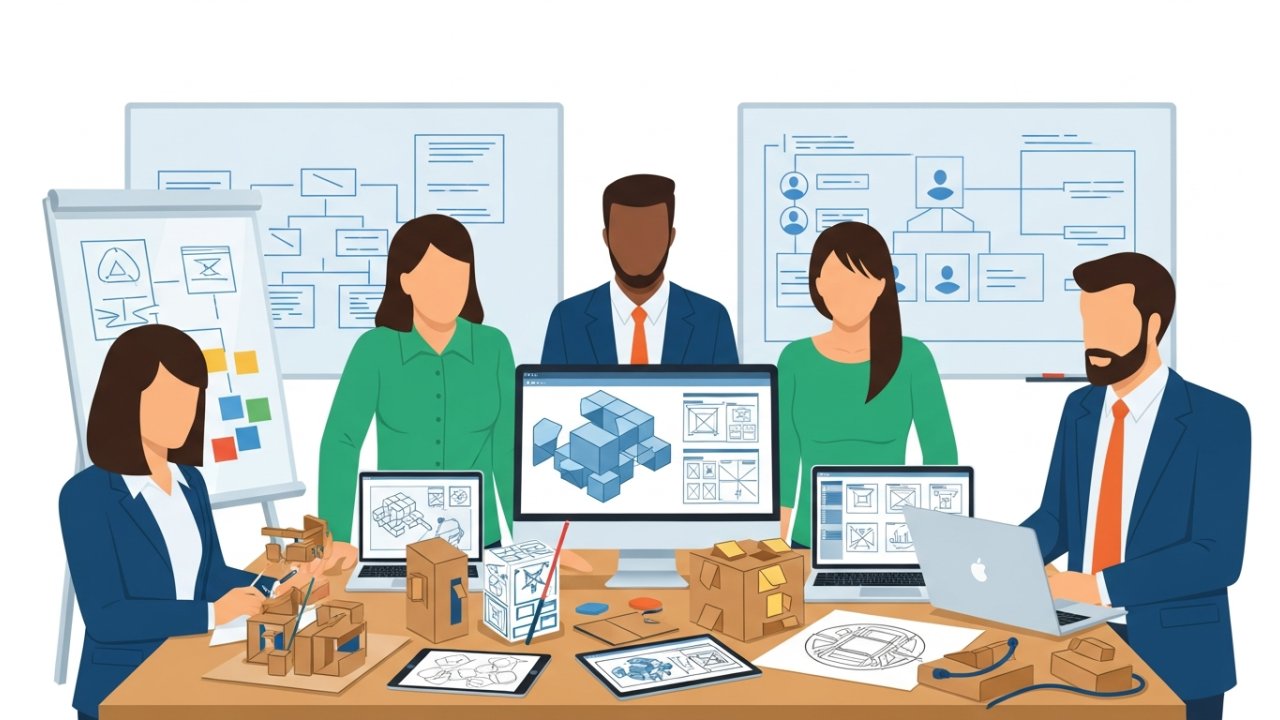
In product development, identifying and mitigating risks early can save time and resources, making it easier to bring a successful product to market. Prototyping serves as a critical tool for risk management by revealing unnoticed issues that could affect user safety or product reliability. Through the stages of prototyping, you can validate your prototype design, ensuring compliance with industry standards before full-scale manufacturing. By simulating real-world conditions, engineering prototypes help identify potential problems early, minimizing uncertainties. This process considerably reduces the chances of costly modifications or product recalls later on.
| Risk Factor | Prototyping Benefit |
|---|---|
| Unnoticed design flaws | Early detection and resolution |
| Compliance issues | Verification before launch |
| User interaction problems | Real-world simulation |
Frequently Asked Questions
Why Is Prototyping Important in Product Development?
Prototyping’s essential in product development since it helps you identify design flaws early, saving you from expensive changes later.
By creating prototypes, you can gather user feedback, ensuring the final product aligns with user needs. This process encourages collaboration among teams, nurturing a shared vision.
Furthermore, rapid iterations allow you to refine concepts quickly, speeding up time to market as you validate assumptions and reduce risks related to compliance and safety.
[embedded content]
Why Is Creating a Prototype an Important Part of the Design Process?
Creating a prototype is essential in the design process since it allows you to test your ideas before committing to full production. By building a prototype, you can identify usability issues early, gather valuable user feedback, and refine your design.
This process improves collaboration among team members and stakeholders, facilitating quicker decision-making. Additionally, using different prototype types helps you explore various solutions during the management of resources effectively, ensuring your final product meets user needs and industry standards.
[embedded content]
What Is the Role of Design in Product Development?
Design plays a vital role in product development by ensuring that products aren’t merely functional but additionally visually appealing.
You focus on user needs through methods like design thinking, which emphasizes empathy and iterative testing. By creating prototypes, you gather feedback that guides refinements, enhancing usability.
Collaboration among cross-functional teams integrates technical and aesthetic considerations, resulting in a product that meets market demands and improves customer satisfaction.
What Is Design and Prototyping?
Design and prototyping involve creating visual and functional representations of a product before its full-scale production.
You start with sketches or models to explore ideas, test usability, and refine aesthetics. This process allows you to identify flaws early on and gather feedback from users.
Conclusion
In conclusion, design and prototyping are crucial in product development, as they guarantee a balance between aesthetics and functionality. By focusing on user needs, teams can create products that resonate with customers. Prototyping enables rapid testing and iteration, identifying potential issues early in the process. This not just improves user experience but likewise reduces risks associated with product failures. In the end, integrating these practices leads to innovative solutions that meet market demands and uphold quality standards.
Image via Google Gemini