

This post was originally published on this site.
Mosquera makes a compelling case for embracing the rainy season: “It’s actually my favorite time. The site becomes magical with fewer crowds given that overtourism is one of Machu Picchu’s greatest threats. The rain isn’t nearly as disruptive as people imagine, as it mainly falls in the evenings, not all day. February is particularly special because the Inca Trail closes for maintenance, making the site even quieter.”
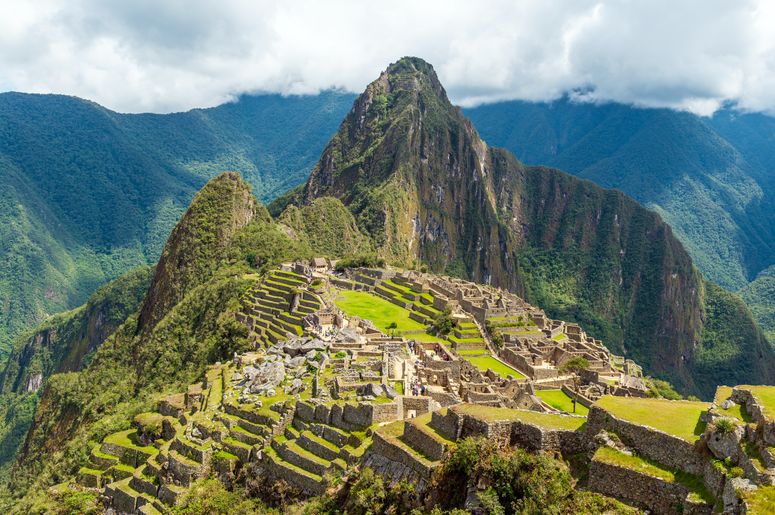
The wet season transforms the landscape dramatically. Stone terraces flush vibrant green, hidden waterfalls emerge, and morning mist creates atmospheric reveals of the citadel. The timing also aligns perfectly with Peru’s coastal summer. “More travelers are discovering this split-season strategy,” says Mosquera. “You can explore misty ruins early in the trip, then travel down to Lima’s world-class restaurants or Máncora’s beaches where summer’s in full swing.” Temperatures at Machu Picchu remain moderate year-round, with rain typically following predictable afternoon patterns rather than all-day downpours.
When is peak season in Machu Picchu?
While June through August marks the traditional peak season, visitor patterns create multiple surge periods throughout the year. The rhythm begins with Holy Week in late March, when domestic travelers arrive en masse, overlapping with North American spring break crowds from mid-March through April. The longest surge runs from late June through early November, when the Ministry of Culture formally increases daily capacity to 5,600 visitors.Cultural celebrations intensify these patterns. “Inti Raymi, on June 24th, transforms the entire region,” explains Cochran. “It’s the most important celebration in the Incan calendar, and Cusco erupts with traditional dances all month.” Similar surges occur around Peru’s Independence Day (July 28), when domestic tourism peaks. Visitors during these windows should book earlier and target dawn or post-2 p.m. entries for calmer experiences.
How many days do I need to spend in Machu Picchu as a first-timer?
The three-hour basic circuit belies the time needed for a complete experience. “Plan for four to five nights minimum in the Cusco region,” advises Cochran. “You need time to adjust to the altitude—we’re talking 8,000 feet above sea level—but more importantly, you need time to grasp the bigger picture.” The citadel reveals different facets through its various circuits, from sophisticated urban planning to precise celestial alignments. The complete narrative emerges through exploring the surrounding Sacred Valley, where sites like Pumamarca fortress and Huchuy Qosqo provide context without crowds, positioning Machu Picchu as the pinnacle of an entire civilization rather than an isolated wonder.
When visiting Machu Picchu for the first time, where should I go?
Understanding Machu Picchu’s circuit system before booking proves essential. The site operates three main circuits with multiple route variations, each emphasizing different viewpoints and archaeological zones. Certain dramatic trails—including the Inca Bridge and Intipunku (Sun Gate)—open exclusively during high season (June 1 to October 15) when weather conditions permit safe passage.
The Panoramic Circuit (Circuit 1) delivers iconic postcard views. Its premium Machu Picchu Mountain trail (Route 1-A) requires an early start (7 a.m. or 9 a.m. slots) and approximately four hours round-trip, ascending 3,000 stone steps to reveal the entire complex from above. For less strenuous options, the Upper Terrace route (1-B) provides classic vistas without the climb.