
This post was originally published on this site.
Boarded-up shop fronts and permanently closed department stores have become a common sight across Britain in recent years. As large chains collapse, online retailers gain market share and out-of-town retail parks grow, city centres are at risk of becoming ghost towns. How can the butcher, the baker and even the candlestick maker survive changing thoroughfares?
High streets have been facing years of decline, exacerbated by Covid, as consumers’ confidence struggled amid the cost-of-living crisis, high inflation and high interest rates. This has forced more people to shop for cheaper deals online and on second-hand marketplace platforms such as Vinted and eBay.
“Britain’s high streets are in the middle of a painful reinvention,” says Tom Gray from brand experience agency Imagination. “The 11th-hour rescues of familiar names like Claire’s and Poundland may offer a glimmer of a lifeline, but in reality mark the end of a retail era built on uniformity and convenience.”
Sign up to Money Morning
Don’t miss the latest investment and personal finances news, market analysis, plus money-saving tips with our free twice-daily newsletter
Don’t miss the latest investment and personal finances news, market analysis, plus money-saving tips with our free twice-daily newsletter
There is now a discernible shift towards a “post-stuff era” where “over-consumption, sameness and algorithmic e-commerce have dulled the excitement of discovery”, says Christopher Sanderson from strategic consultancy The Future Laboratory. “Retailers have failed to evolve beyond the ‘sell, sell, sell’ model, and consumers are now seeking emotional connection, cocreation and community.”
These advantages now belong to online retailers, argues Gray. Bricks-and-mortar shops “must offer something digital retail can’t – a sense of experience, emotion and belonging… The retailers that will thrive are reimagining their spaces as cultural and community hubs, not just transactional zones.”
Reimagining the high street as a creative experience
“Retailers must think like curators, not shopkeepers,” adds Sanderson. That involves thinking about retail as a way to connect people. Successful high-street models could focus more on cinemas, museums and pop-up events, transforming traditional shops into exhibition spaces, particularly if they aim to attract teens and 20-somethings, who are leading the charge to revive shopping centres. According to a 2024 report by analytics firm RetailNext, Generation Z (those born between 1997 and 2012) are more than twice as likely to shop in a physical clothing shop each week as the average consumer in Britain (28% versus 13%).
Le Bon Marché department store in Paris has taken a novel approach to retail by staging a theatre after it closes. In London, Victoria Beckham has curated an exhibition of her favourite artists at her eponymous brand’s shop, while LVMH’s Louis Vuitton has turned some of its shops around the globe into immersive art spaces through collaborations with artists such as Yayoi Kusama. The French luxury brand has also built a 30-metre-high shop shaped like a ship called The Louis in Shanghai, with dining and exhibition areas. It has even become a tourist attraction.

(Image credit: YUYU CHEN / Feature China/Future Publishing via Getty Images)
Prada-owned Miu Miu has launched several “storyliving” pop-ups, such as the one in Covent Garden last year, where the Italian fashion brand gave away free copies of classic novels by female authors.
“These are not gimmicks,” says Gray, but “blueprints for the future… The next decade will see the high street evolve from a place of purchase to a place of participation where the future won’t be purely commercial; it will also be social, creative and experiential. The winners will be those who see their stores as platforms for brand-building and IRL [in real life] customer engagement where commerce, culture and community overlap.”
Will small high street businesses survive?
Shops are likely to keep disappearing, however – for now, at least. High rents, often the highest cost for small businesses; regulation that has “increased in length and complexity” and can deter refurbishments; and the continued draw of online shopping are still headwinds, says Jean-Baptiste Wautier, an investor and co-founder of the Wautier Family Office.
With these macro trends, it is probable that high streets will continue to shrink in terms of point of sale and only favour big brands, which could hamper local businesses. “Only a major real-estate shock, like a major price drop and major deregulation, could invert this trend,” says Wautier.
Still, it’s hardly all gloom. Even though challenges remain, retail rentals rose 2.3% in the first half of 2025 across all sub-sectors and vacancy rates declined, according to estate agent Knight Frank. Retail investment is also shifting as “prime yields on high street properties have strengthened, and the best spaces are seeing competitive bidding”, says Sophie Levenson from Knight Frank.
The central London estates managed by real-estate investment trust Shaftesbury Capital provide a “glimpse of what all high streets would hope to achieve”, says Danni Hewson, head of financial analysis at AJ Bell. “A carefully curated mix of different stores, from brands to unique retailers that appeal to the local demographic, mixed with a diverse menu of bars, restaurants and cafes. These experiences give people a reason to linger longer, and offices and residential spaces provide consistent footfall. It looks effortless, but every decision is carefully weighed, and every tenant [is] supported to thrive,” she adds.
Still, for all high streets to flourish, government support is crucial, and policy needs to shift from retail preservation to cultural regeneration. “Support should prioritise mixed-use zoning, flexible leasing for pop-ups and independent brands, and incentives for creative, wellness and community-led operators. Recalibrating business rates to reward [their] cultural contribution and [impact on sustainability] would better reflect how high streets now create value,” says Sanderson.
While town planners need to allow spaces to evolve to meet the shifting demands, “for investors, the upside lies in the infrastructure around retail, from tech-enabled platforms and urban logistics to regeneration-led property plays that blend commercial returns with social value”, says Livia Bernadini, CEO of retail technology company Future Platforms.
Still, spending power remains a key component of rejuvenating the high street, as people can’t spend as much as they used to. “Even though salaries went up (partially due to government pressure put on businesses to pay more), it’s completely disproportional to the rising cost of living… In addition, even though minimum wages have been rising”, fiscal drag continues, says Iván Marchena, an economist from broker Just2Trade.
The high street brands likely to thrive
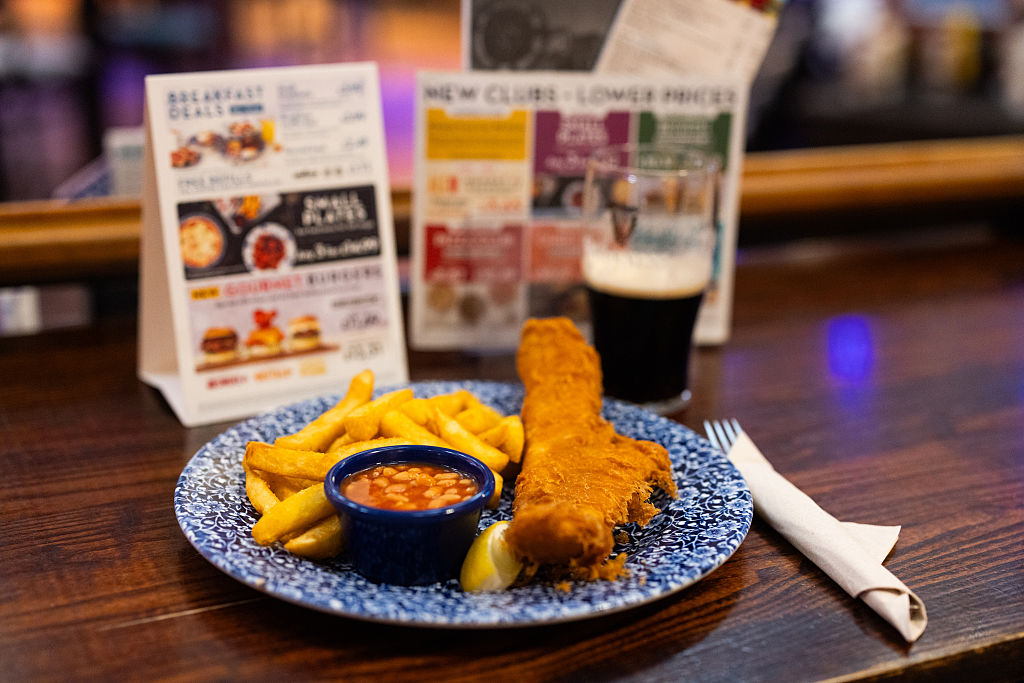
JD Wetherspoon has remained loyal to its brand and customers as a bargain boozer
(Image credit: Chris Ratcliffe/Bloomberg via Getty Images)
High-street shopping’s future lies not in competing with online retail but in enhancing its offering. The brands that succeed will treat AI not as automation, says Sanderson, “but as augmentation, used as a tool for empathy, intuition and cultural resonance”.
The likes of Next (LSE: NXT), a bellwether for Britain’s retail industry, is a case in point. The clothing and homeware retailer has adapted well to technology and changes in consumption. It leveraged its bricks-and-mortar chain and catalogue infrastructure that included warehouses, delivery networks and consumer data to build a strong online platform that even hosts other brands.
“True omni-channel brands like Next are likely to continue to thrive because they understand how to harness brand, ease of use, availability and tech to their and their shoppers’ advantage,” says Hewson. “Brands that can continue to appeal to their shopper, to either evolve as their shopper ages or shift to appeal to a new shopper, will survive, but they need to have a clear USP [unique selling point] and never lose sight of the day after tomorrow.”
JD Wetherspoon (LSE: JDW), one of Britain’s most popular pub chains, can say it has remained loyal to its brand and customers as a bargain boozer with the same decor and menu in every venue.
Despite grappling with high energy and labour costs, the group posted a 4.5% year-on-year rise in sales to £2.12 billion for fiscal 2025 and plans to open 15 managed pubs and about 15 franchised ones this financial year. It is also planning to expand into mainland Europe for the first time with a pub at Alicante airport in Spain.
Brendan Gulston, co-manager of the WS Gresham House UK Multi Cap Income Fund, sees structural growth in “low-ticket experiential leisure” companies such as Hollywood Bowl (LSE: BOWL), which is “taking wallet share from consumers compared with traditional hospitality segments”. Firms that cater to niche hobbies and enthusiasts, such as Angling Direct (Aim: ANG), Britain’s leading fishing tackle and equipment retailer, are another “strong” area.
Angling, for instance, “benefits from both a loyal customer base as well as an omnichannel proposition”, and “ongoing e-commerce adoption/channel shift is a supportive dynamic for growth”.
Overcoming the doom and gloom
“These companies have delivered strong operating performance despite the broader challenges facing UK consumers, yet the sector as a whole continues to trade at depressed valuations,” Gulston says. “Crucially, their success is not dependent on a rapid recovery in consumer confidence or the macro environment, but if conditions do improve, we believe earnings will gain an additional tailwind – creating the potential for a sharp rebound in share prices and a rerating from current lows.”
Darius McDermott, managing director of FundCalibre, believes the outlook for household spending “isn’t as pessimistic as some might like to think”. Lower inflation coupled with strong income growth could boost households, which would in turn lift UK consumer stocks. “This creates a clear value opportunity as the outlook for consumers gradually improves,” McDermott says.
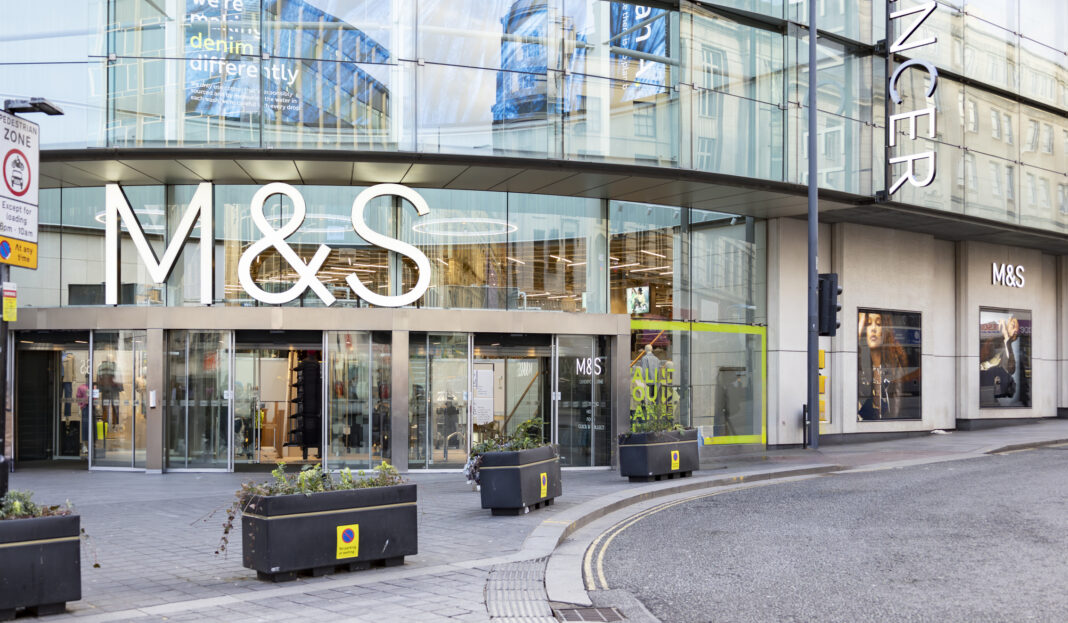
“Artemis UK Select Fund, one of the standout UK equity funds with a strong long-term record, has more than 20% invested in consumer discretionary stocks,” and counts Marks & Spencer (LSE: MKS) among its top holdings. “VT Tyndall Unconstrained UK Income, which has a bias towards mid caps, shows similar conviction, with almost a quarter of its portfolio in discretionary names.”
For investors looking further down the market-cap scale, McDermott points to the Premier Miton Tellworth UK Smaller Companies Fund, which has allocated 18% to the sector. “With UK retail names heavily domestically focused, small- and mid-cap funds, in particular, can provide an effective way to tap into the recovery story,” he adds.
Reports of the death of the high street appear exaggerated. As thoroughfares become more omnichannel and experience-led, high streets are set to remain vital hubs for shopping, communities and local culture. They will still, however, require a benign consumer economy to thrive.
This article was first published in MoneyWeek’s magazine. Enjoy exclusive early access to news, opinion and analysis from our team of financial experts with a MoneyWeek subscription.