
This post was originally published on this site.
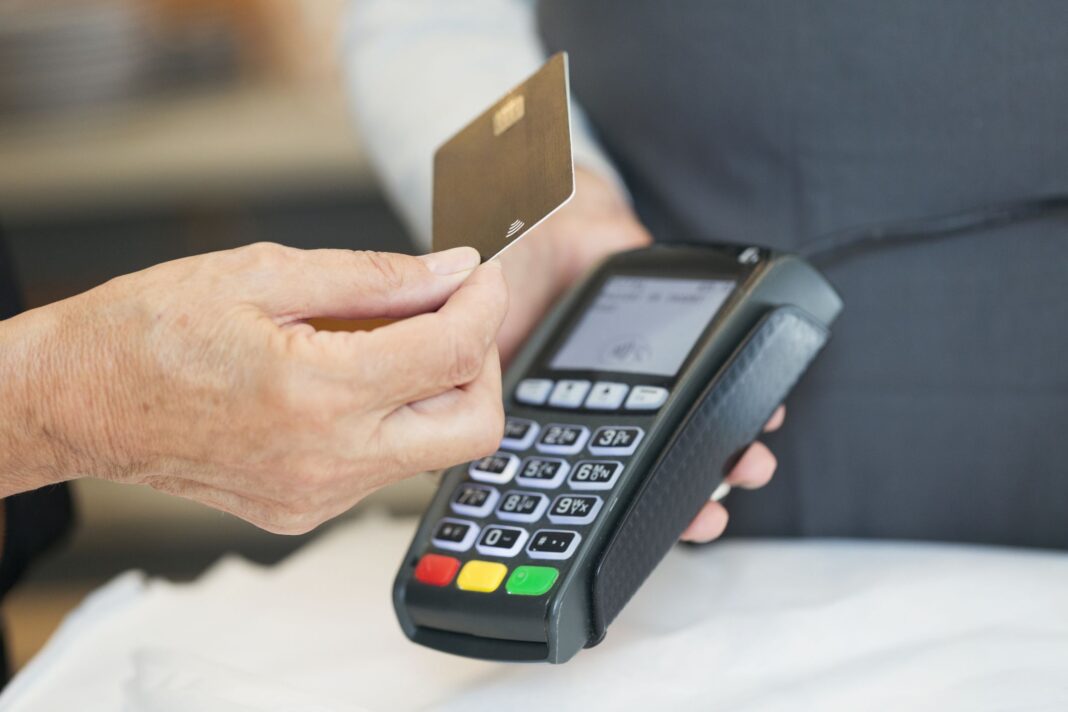
Consumers will be able to make contactless card payments over the current £100 limit, the regulator has confirmed.
Banks and card providers will be allowed to offer customers the chance to set their own personal contactless limits from March 2026, the Financial Conduct Authority (FCA) has said. Consumers will also be given the chance to turn off contactless payments entirely.
Sign up to Money Morning
Don’t miss the latest investment and personal finances news, market analysis, plus money-saving tips with our free twice-daily newsletter
Don’t miss the latest investment and personal finances news, market analysis, plus money-saving tips with our free twice-daily newsletter
Contactless fraud rates are estimated to stand at 1.3p per £100 spent, according to the trade association for the banking services sector UK Finance’s latest Annual Fraud Report.
Contactless card payments were introduced in 2007, with a limit of just £10. This was raised to £15 in 2010, £20 in 2012, £30 in 2015 and £45 from 2020. It was last raised, to £100, in 2021.
But some academics have raised concerns that higher contactless limits encourage impulsive spending which in turn risks pushing people into debt.
Meanwhile, Laura Suter, director of personal finance at investment platform AJ Bell, warned the new rules from March 2026 could allow card thieves to rack up big spending bills before a card is blocked.
However, Suter said giving customers the choice to raise their contactless limits, rather than it being compulsory, offered a layer of protection.
“Being able to set your own limits, or turn contactless off altogether, gives people more control, whether that’s to protect themselves from fraud or simply to help stick to a budget.”
How to protect yourself from scammers
Despite protections being in place for people using contactless, you should still take every step possible to avoid being scammed, or lessen the blow if your card is stolen.
UK Finance’s Take Five campaign advises setting up notifications or alerts on your banking app so you know when your card has been used. This could stop thieves from spending more money after they’ve taken your card, as you could take action to freeze your card earlier.
If your card is lost or stolen, report it to your bank or building society as soon as possible so they can deactivate it.