

This post was originally published on this site.
While this golfing year will be remembered for historic and thrilling action, manoeuvres off the course in 2025 also provide a highly significant legacy.
A group of new bosses are laying groundwork for rapid evolution, if not revolution, in the professional game.
We know that the world’s best players create captivating sport, as Rory McIlroy’s dramatic Grand Slam completing Masters victory, Scottie Scheffler’s ruthless domination that has led to him being named PGA Tour player of the year, and Europe’s sensational Ryder Cup victory all proved in 2025.
Now it is up to the people who have stepped into the most significant administrative roles to make the most of a growing perception that golf is suddenly cool again.
February-August PGA Tour season?
 Getty Images
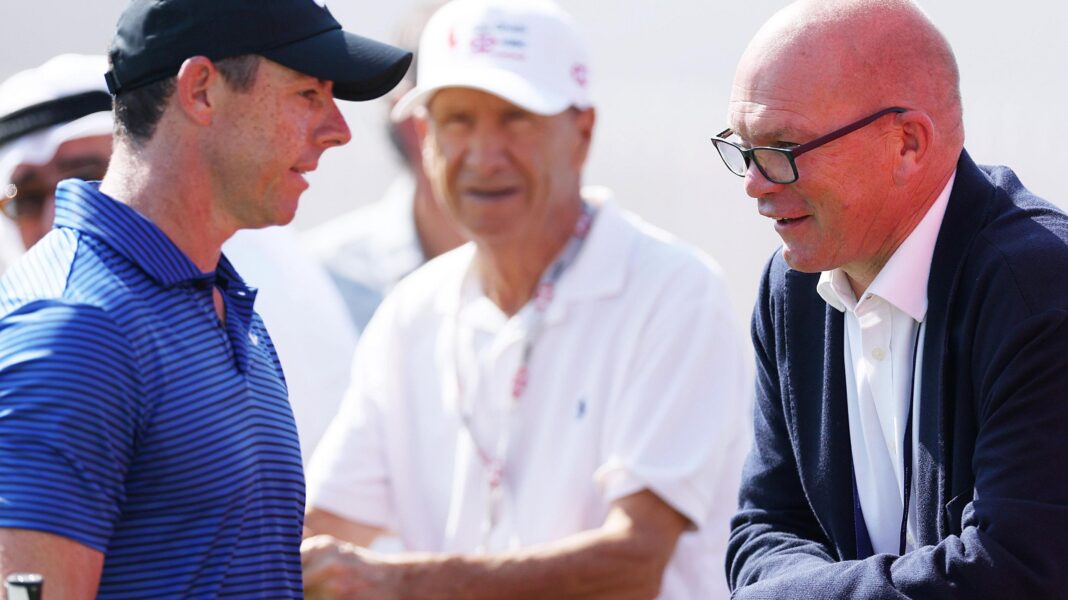
There has been unprecedented churn with new bosses installed at the PGA Tour, PGA of America and LPGA while Mark Darbon has just completed his first full year as head of the R&A.
Guy Kinnings has been in charge of the European Tour group for less than two years and on the breakaway LIV Golf League Scott O’Neil is only months into his role as Greg Norman’s successor leading the Saudi-funded disruptors.
And the presence of Darbon, O’Neil and the PGA Tour’s new chief executive Brian Rolapp at golf’s top table is most fascinating. All three have come from outwith the traditional confines of the sport they now run.
Rarely, if ever, has golf had such an influx of fresh perspectives and they have hit the ground running. It means 2026 is a transitional year and by 2027 the pro game could be significantly altered.
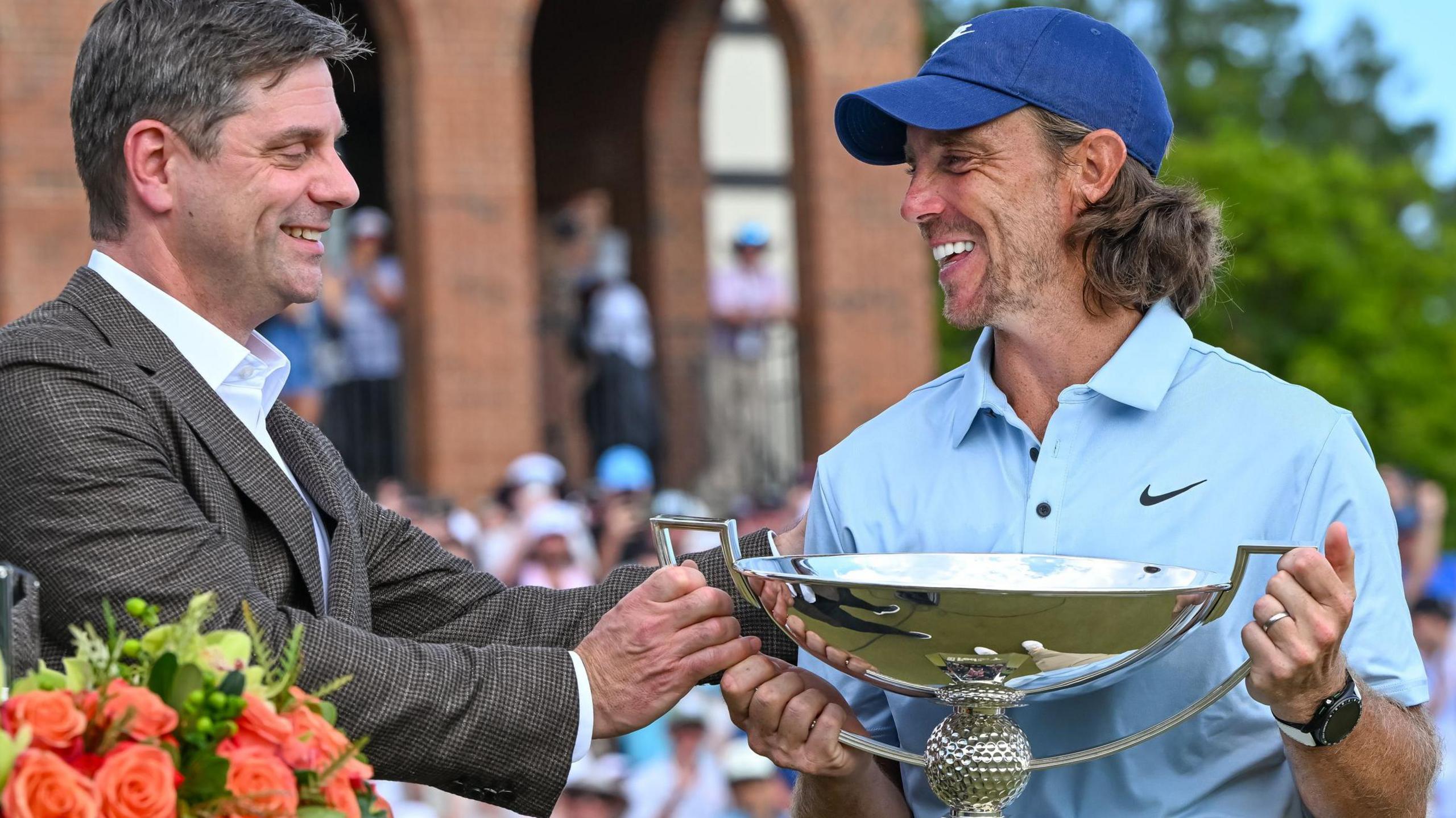
By taking charge of the game’s premier tour, Rolapp has become a key figure. He moved from the NFL, one of American sports’ greatest success stories.
He insists that sport requires three crucial components; competitive parity, simplicity and scarcity. He feels golf currently only has one of those ingredients.
Competitive parity is a real strength, the number of potential winners at any tournament is greater than in most sports. But golf’s structure is hard to follow and it is ubiquitous, with multiple tournaments across the globe every week.
“How do you make a competitive model simple to understand?” Rolapp said at a recent CEO Forum event in Florida. “And how do you make scarce events that actually fans want to follow?”
Already it is speculated that future PGA Tour seasons will start after the February date for the Super Bowl and finish before then NFL restarts in August. “Yeah, I could see that,” Rolapp said.
“Competing with football (NFL) in this country for media dollars and attention is a very hard thing to do do,” the American said.
He has an outsider’s view of how professional golf is structured. “It has grown up as a series of events that happen to be on television,” he told the forum.
“So how do you take those events, make them meaningful in their own right, but cobble them together in a competitive model?”
Fines and ban can running out of road
 Getty Images
Rolapp has assembled a Future Competitions committee chaired by 15 times major winner Tiger Woods. Given “more questions than answers” they are expected to report back with a blueprint for 2027 onwards in a matter of months.
There appears little prospect of unification with O’Neil’s LIV tour or a coming together with the Saudi Arabian Public Investment Fund.
But the existence of a breakaway tour that is still populated by some of the most recognisable figures, Bryson DeChambeau and Jon Rahm included, does not help Rolapp’s desire for a calendar that is simple to understand for general sports fans.
It also adversely affects the quest for scarcity of product to stimulate anticipation among fans.
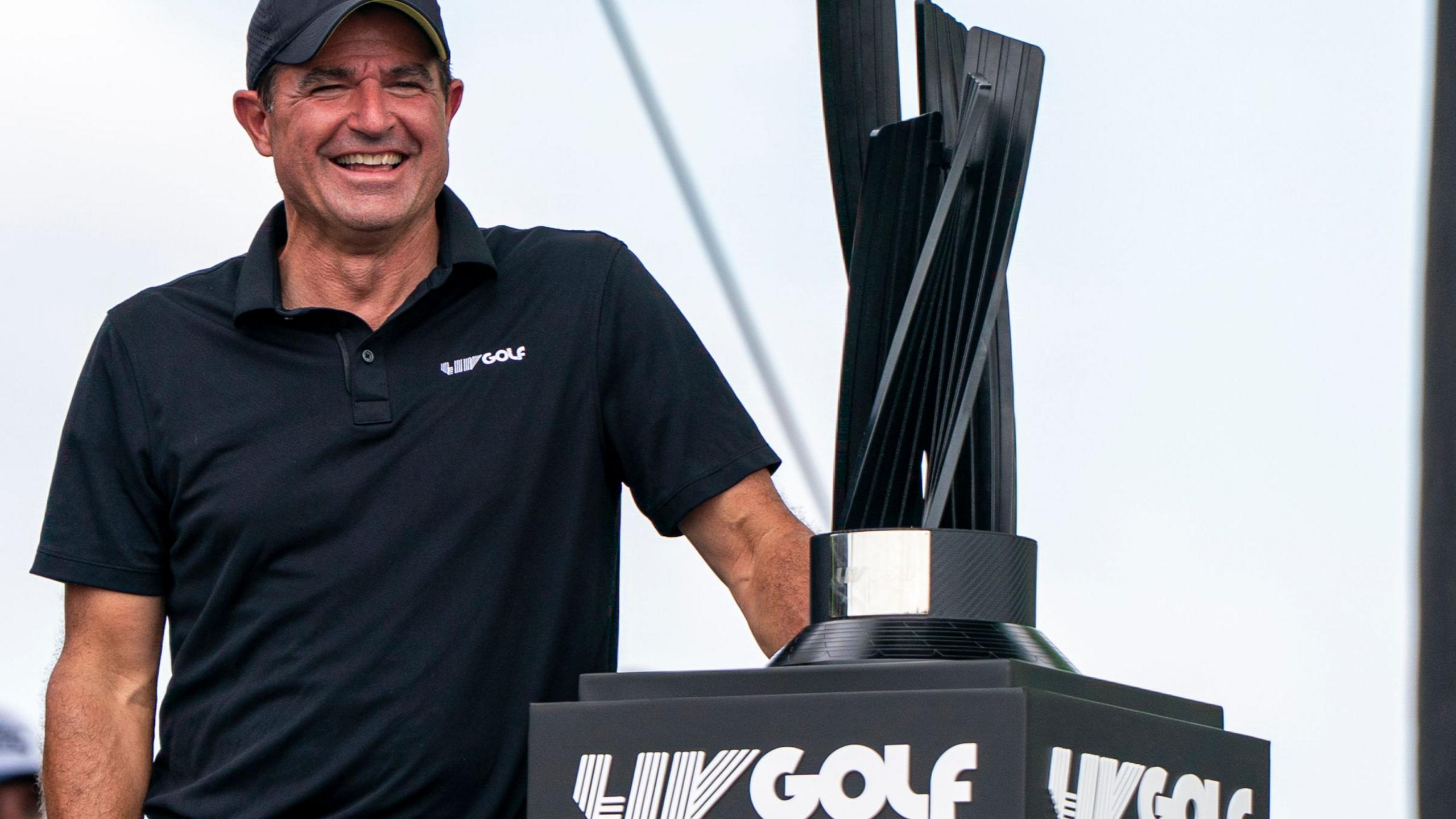
O’Neil, though, has made a fast start to his LIV tenure. New backers such as HSBC, previously staunch supporters of establishment events, are eye-catching additions to their sponsorship portfolio.
His next priority is the same one that sits at the top of Kinnings’ in-tray at the DP World Tour’s Wentworth headquarters.
Between them they have to solve the so far intractable issue of punishing DPWT players for playing LIV events. Ryder Cup stars Rahm and Tyrrell Hatton are at the centre of this.
They are appealing against fines and bans. The hearing has not been scheduled, which enabled both players to represent Europe at last September’s Ryder Cup.
But the can is running out of road, it cannot be kicked much further. Locker room talk is that this could be be settled by April.
But how is anyone’s guess. And LIV players being able to compete in DPWT events as members without sanction would have huge implications for the global game.
How would Rolapp react if his strategic partners in Europe move closer to golfers from the rival LIV league?
O’Neil has already made a significant move to increase their shotgun start tournaments from 54 to 72 holes. This might help LIV’s desire for official world ranking points.
Certainly the OWGR’s Trevor Immelman, another new boss, seems more amenable than his predecessor Peter Dawson. But duration of tournaments is not the biggest sticking point.
O’Neil has to convince the official rankings body that there is sufficient promotion and relegation into and out of LIV to ensure it is not a closed shop exclusive to those who have been recruited on lucrative contracts.
The move to 72 holes was more about providing a format that more effectively prepares their players for the four major championships.
These events will remain the game’s “tentpoles”, to use the latest corporate vernacular. The competitions that matter most, but The Open, US Open, Masters and US PGA Championship cannot afford to stand still.
Open qualifying tweaked
 Getty Images
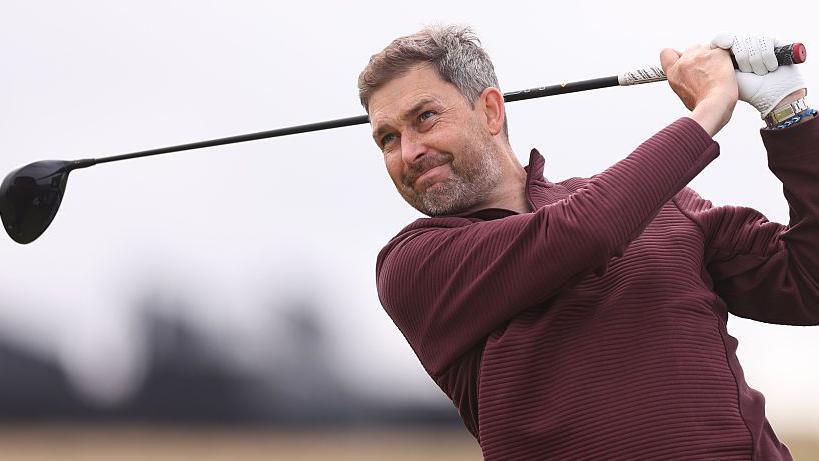
At the R&A, Darbon has injected a new dimension to The Open by introducing a last chance qualifying competition for a dozen players to be staged on the Monday of championship week.
There will be one last berth available. The field will include the two highest ranked non exempt players, golfers who lost in final qualifying play-offs and the runner-up at the Amateur Championship.
Darbon came to the R&A from rugby union’s Northampton Saints and this development for the 154th championship at Royal Birkdale next July is a sign that some old conventions are being kicked to touch.
More pressing now is announcing a venue for the 2028 championship. Time is pressing for what will be the 156th staging of golf’s oldest major and one that will have an unfamiliar later date because of a clash with the LA Olympics.
It means Open week will start on 30 July. Diminishing daylight a fortnight later than usual suggests a Scottish venue would be best – Muirfield, Carnoustie or even Turnberry? Or a return to England’s most northerly Open outpost at Royal Lytham and St Annes.
Turnberry would be the most interesting and controversial selection. There are conflicting pressures given its ownership (US President Donald Trump) and infrastructure issues (lack of transport and accommodation) remain, so the Ayrshire course is the outsider in every respect.
But as the newcomers running the sport now are showing, there is plenty of appetite for innovative thinking. For golf, looking outside the box is not as unusual as it used to be.