


This post was originally published on this site.
Editing effectively is vital for clear communication. To start, take a break after finishing your draft. This pause allows you to return with fresh eyes. Next, read your work aloud to catch awkward phrasing and improve overall flow. It’s likewise important to eliminate filler words and weak language. By utilizing tools for error detection, you can refine your content further. Comprehending these steps can greatly improve your editing process and lead to a more polished final product.
Key Takeaways
- Begin by taking breaks during the editing process to gain fresh perspective and enhance focus on your writing.
- Read your work aloud to identify clarity issues, awkward phrases, and pacing problems.
- Utilize editing tools like Grammarly for spotting grammatical errors and improving writing quality.
- Employ readability check tools to assess text complexity and enhance reader engagement.
- Always review for consistency in tone and formatting to maintain a professional appearance in your document.
Understand the Importance of Self-Editing
Though many writers may underestimate the role of self-editing, it’s a crucial step in the writing process that greatly improves your work. Comprehending how to edit effectively heightens your writing’s structure and style, ensuring clarity and coherence.
This clarity is fundamental for engaging your readers. By eliminating grammatical errors, you present polished content that attracts buyers and professional opportunities.
Regular self-editing likewise sharpens your attention to detail and critical thinking, nurturing personal and professional growth. Identifying and removing filler words and weak phrases can strengthen your overall message.
If you’re wondering how to edit a YouTube script or how to do an edit on your text, utilizing tools like Grammarly can help you spot common mistakes and refine your writing quality.
Take a Break for Fresh Perspective
Taking breaks during the editing process is essential for enhancing your focus and clarity.
By stepping away for a few hours or even overnight, you’ll find it easier to spot errors and awkward phrases when you return with fresh eyes.
This practice not just helps reduce eye strain but likewise allows you to evaluate your work more critically, in the end improving the quality of your revisions.
Importance of Breaks
Editing can be a demanding task, and incorporating breaks into your routine is vital for maintaining a fresh perspective on your work.
Taking breaks allows you to create emotional distance from the text, making it easier to spot errors and improve clarity. A short break, whether it’s a few hours or overnight, reduces fatigue and boosts focus when you return to the document.
Research shows that stepping away refreshes your perspective, leading to important insights and better decision-making in your edits. Regular breaks can prevent burnout, keeping your productivity levels high.
Allowing time between writing and editing also leads to a more objective assessment of your work, eventually improving the quality and effectiveness of your final product.
[embedded content]
Enhancing Focus and Clarity
After recognizing the importance of breaks in the editing process, enhancing focus and clarity becomes the next step in refining your work.
Taking a break for a few hours or overnight creates emotional distance, making errors easier to spot when you return. Research shows that stepping away allows your brain to process information subconsciously, leading to fresh insights upon revisiting the content.
Engaging in a different activity during your break can refresh your mind, enabling you to approach editing with renewed energy.
Studies indicate that returning to your document with fresh eyes greatly improves your ability to identify awkward phrases and mistakes, ultimately resulting in a more polished final product that reflects your best effort.
Reducing Eye Strain
When you’re immersed in editing for long periods, your eyes often bear the brunt of prolonged screen exposure, leading to discomfort and fatigue.
To combat this, incorporate regular breaks into your routine. Research shows that the 20-20-20 rule—looking at something 20 feet away for at least 20 seconds every 20 minutes—can effectively alleviate eye strain.
[embedded content]
These breaks not only reduce discomfort but likewise refresh your cognitive abilities, helping you spot errors more easily. In fact, studies indicate that short breaks can boost your productivity by up to 20%.
Engage in activities away from the screen, like stretching or walking, during these breaks to improve your overall well-being and minimize the risk of digital eye strain.
Read Your Work Aloud for Flow
Reading your work aloud is a potent tool for enhancing sentence clarity and identifying pacing issues.
As you vocalize your text, you’ll notice awkward phrases that disrupt the flow, helping you pinpoint areas that need rephrasing.
This approach not just improves readability but additionally guarantees that your message comes across clearly and consistently.
Enhance Sentence Clarity
To improve sentence clarity, try reading your work aloud, as this simple technique can greatly boost the flow of your writing. By doing so, you’ll identify awkward phrasing and guarantee that sentences shift smoothly.
Listening to your words offers auditory feedback, highlighting rhythm and cadence issues that might escape your notice during silent reading. If you find yourself stammering or hesitating over certain sentences, these moments signal areas needing simplification or rewording for better clarity.
Engaging your auditory senses amplifies overall readability, making your writing more engaging for readers. This technique allows you to view your work from an outsider’s perspective, revealing inconsistencies and unclear ideas that may require revision for improved clarity.
Identify Pacing Issues
One effective way to identify pacing issues in your writing is by reading your work aloud. This technique helps you hear the natural rhythm and flow of your sentences, making awkward phrasing more noticeable.
Here are some key points to reflect upon:
- Long Sentences: Listen for areas where sentences drag on, signaling a need for conciseness.
- Filler Words: Note any unnecessary words that slow down the pace and can be removed.
- Transitions: Pay attention to abrupt shifts in tone or topic that disrupt the flow.
- Breath Pauses: Frequent pauses may indicate spots needing clearer phrasing for improved pacing.
Engaging your auditory senses can improve your ability to maintain consistent pacing and keep your audience’s attention.
Eliminate Filler Words and Weak Language
Eliminating filler words and weak language is vital for crafting clear and impactful writing. Words like “just,” “really,” and “very” dilute your message, so it’s important to remove them for improved clarity.
Analyze your writing for repetitive phrases; using tools like word frequency counters can help identify these redundancies and keep your content engaging.
Furthermore, weak verbs, especially forms of “to be,” weaken your sentences. Replace them with stronger alternatives to create more dynamic writing.
Tools like Grammarly are beneficial for detecting filler words and weak language, offering valuable feedback that improves your writing quality.
Streamlining your prose not only strengthens your message but also improves reader engagement and overall comprehension.
Focus on clarity and conciseness for the best results.
Organize Your Editing Process

A well-organized editing process can greatly boost your efficiency and the quality of your final product. To streamline your workflow, consider these steps:
- Separate your files: Create distinct folders for audio, video, and still images to improve organization during editing.
- Label everything clearly: Especially for larger projects, clear labels on clips and segments help you identify and retrieve content quickly.
- Use a consistent naming convention: This minimizes confusion and speeds up your editing process.
- Regularly back up your files: Protect against data loss by saving previous versions, ensuring you can recover important work.
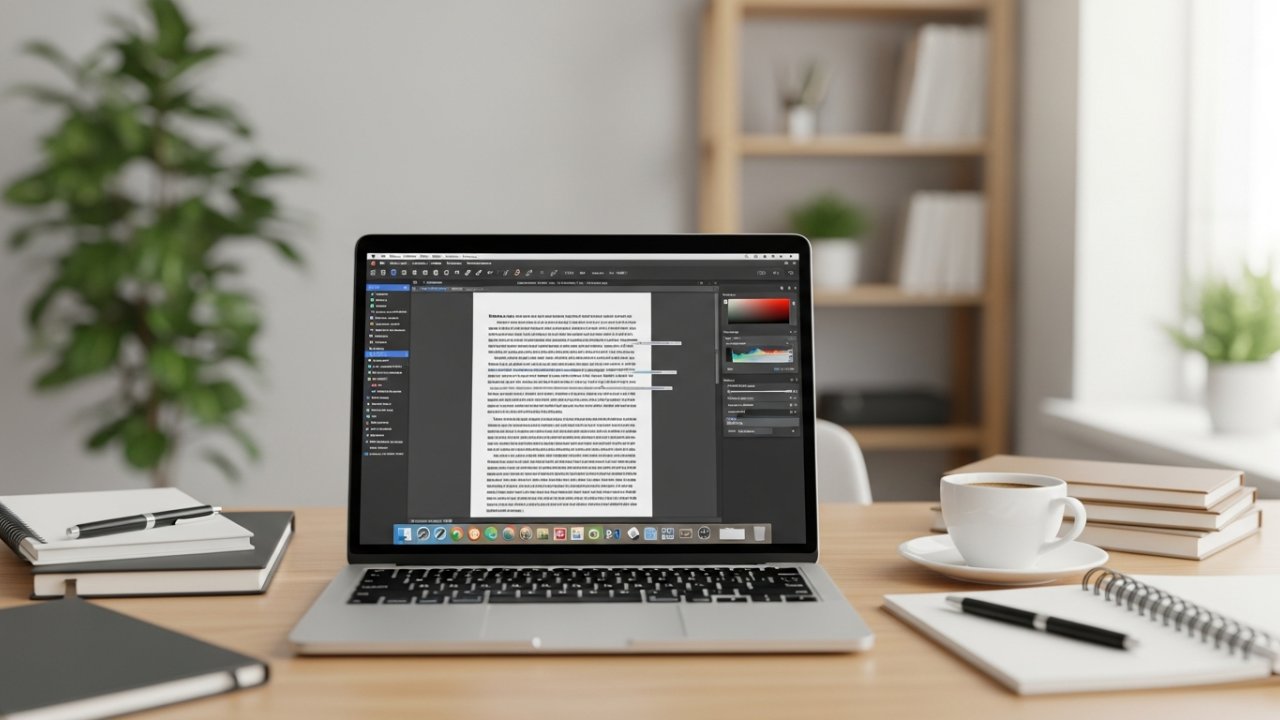
During editing your work, utilizing tools for error detection can greatly improve the quality of your final product. Tools like Grammarly can analyze your text for over 250 advanced grammatical rules, helping you identify common mistakes and refine your writing.
Don’t overlook spell-check features in word processors; they catch basic typos and misspellings before your final edit, ensuring a polished document. Readability check tools assess the complexity of your text, offering insights on sentence length and structure to boost clarity.
Moreover, plagiarism detection software verifies originality by comparing your work against a vast database, maintaining academic integrity. Finally, editing software with built-in style guides provides suggestions for consistency in tone, formatting, and adherence to specific writing standards.
Frequently Asked Questions
How Do You Make Really Good Edits?
To make really good edits, focus on storytelling by ensuring each edit improves the narrative.
Use high-quality audio and video to avoid issues later.
Pay attention to pacing; balance key points with smooth shifts to keep viewers engaged.
Incorporate cutaways for visual variety, breaking up monotony.
Utilize editing software features like markers and separate tracks for better synchronization and efficiency.
This approach will lead to a more polished and engaging final product.
How to Do Editing Correctly?
To edit correctly, start by organizing your tasks and prioritizing crucial edits. Use high-quality footage to improve production value.
Implement multitrack recording techniques for better audio and video adjustments. Maintain steady pacing by balancing shifts and cuts, which keeps the audience engaged.
Regularly review your work, trimming unnecessary content to create concise videos that focus on delivering key information. In the end, enhancing viewer retention and making your final product more professional.
What Is the 80 20 Rule in Video Editing?
The 80/20 rule in video editing states that 80% of a video’s impact comes from just 20% of its content.
This means you should identify the key scenes and elements that drive your narrative. By focusing on these essential clips, you can improve viewer engagement as you reduce time spent on less significant details.
Applying this principle helps streamline your editing process, ensuring every edit contributes meaningfully to the overall story and viewer experience.
[embedded content]
What Are the 7 Laws of Editing?
The seven laws of editing include prioritizing clarity, ensuring your message is easily understood.
You should maintain consistency in style, language, and tone throughout your piece.
Eliminating unnecessary words keeps your writing concise.
Focus on structural flow, ensuring ideas progress logically and shifts are smooth.
Thorough proofreading is vital for catching errors.
Finally, consider audience engagement, tailoring your content to meet their interests and needs, which improves overall effectiveness.
Conclusion

Effective editing is essential for clear communication. By following the steps outlined, you can improve your work markedly. Taking breaks allows for a fresh perspective, whereas reading aloud helps identify awkward phrasing. Eliminating filler words improves clarity, and organizing your editing process keeps you focused. Furthermore, utilizing tools like grammar checkers can catch errors you might miss. By implementing these strategies, you’ll produce a polished final product that effectively conveys your message to your audience.
Image via Google Gemini