

This post was originally published on this site.
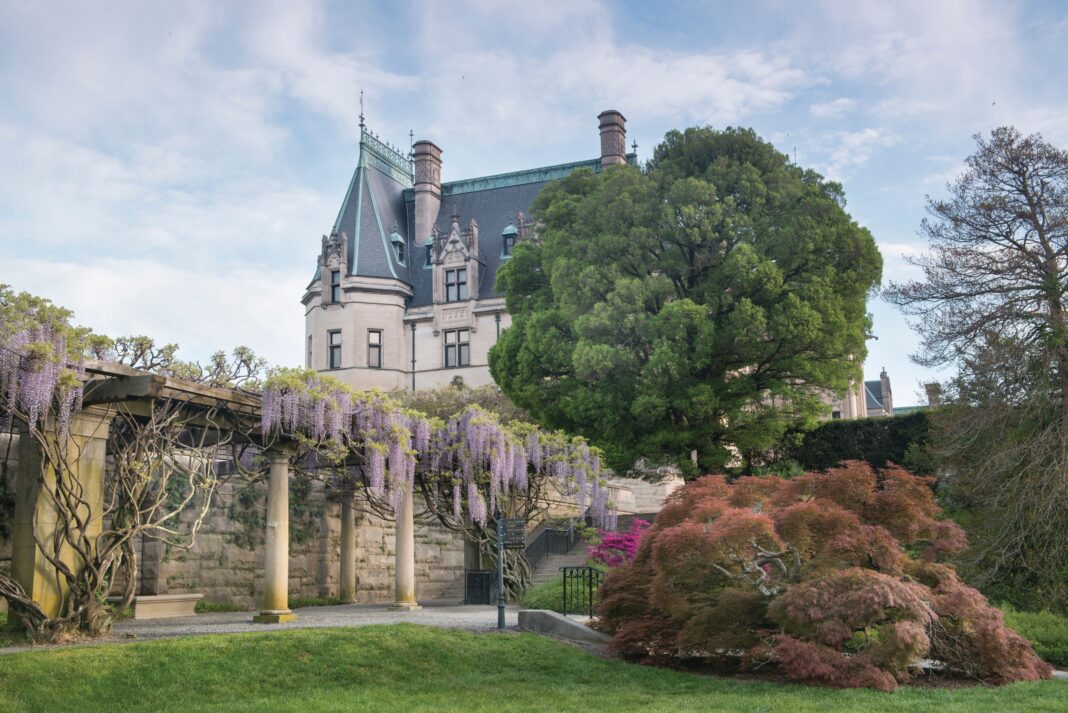
In 1889, when George Washington Vanderbilt, an art aficionado and a scion of the industrialist Vanderbilt family, had a 250-room Gilded Age house built in Buncombe County, North Carolina, it is said that he pressed quartz into its foundations. His intent, per local lore, was to channel the ground’s “pure energies” into his château-esque mansion. Today his Biltmore Estate sits at the edge of Asheville, an artsy mountain town known for its creative, if eccentrically inclined, scene. Many visit for the beer, hiking, crafts, and riverine landscapes. Others come for the crystal bowls, chakra balancing, and mica-rich soil. Maybe Vanderbilt was onto something.
But in September 2024, Hurricane Helene ravaged the southeastern United States, including this corner of the Appalachian Mountains, leveling forests and turning rivers into torrents. Asheville’s artists were among the hardest hit. The French Broad River rose to about 25 feet, decimating the surrounding River Arts District, where some 750 creatives worked and exhibited. In the year since, Asheville locals have found innovative and true-to-them ways to regain their footing.
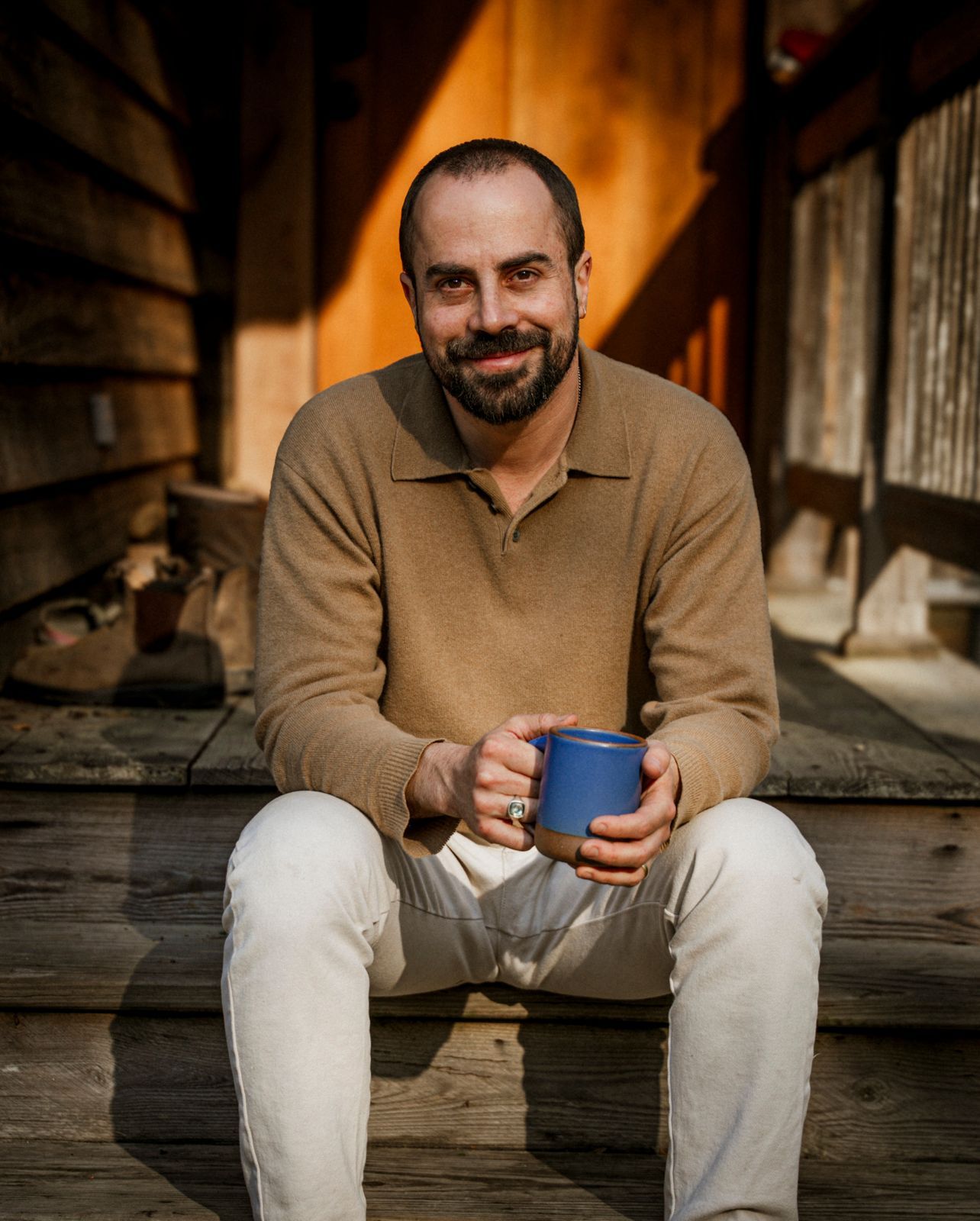
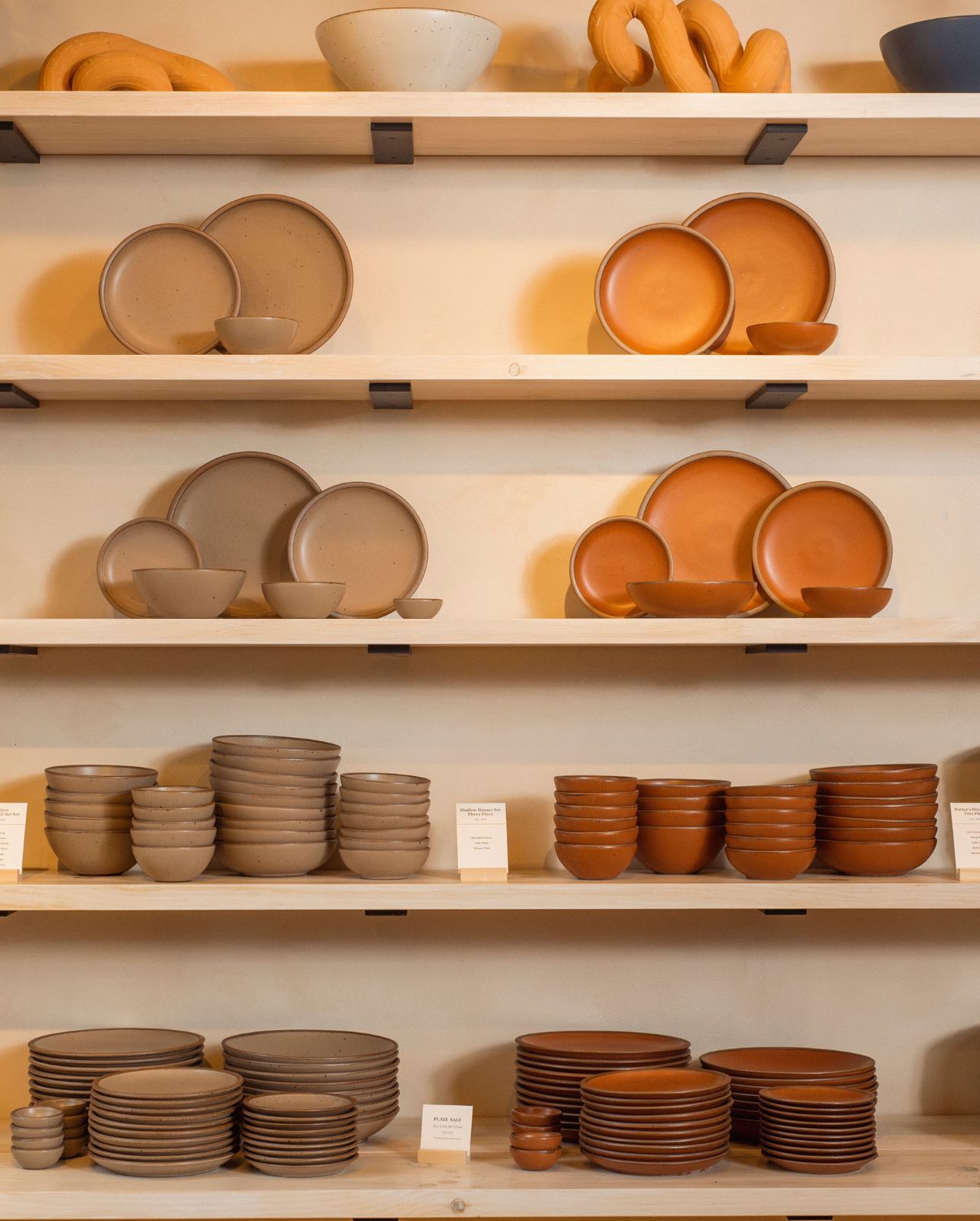
“After making sure everyone was okay, we jumped into recovery work,” says Alex Matisse, founder of East Fork Pottery, an Asheville-based ceramics manufacturer whose earth-toned, iron-flecked wares have found fans from all over the world. Their purchases supported the town after Matisse redirected a percentage of East Fork sales, totaling over $500,000, toward grassroots organizations doing hurricane relief in housing, food security, and other social services. “We wanted to show up for our community, and our customers showed up for us,” Matisse says. Today, East Fork’s showroom in downtown Asheville still contributes 1 percent of all sales to local charities and hosts events like free-to-attend craft nights, where hobbyists can work on knitting, sewing, and other projects cfvin a communal setting.


“Creativity comes from asking what people need at this moment,” says Meherwan Irani, who owns the street-food-inspired Botiwalla and the James Beard Award–winning Chai Pani. Both spots, located on a hill in downtown Asheville, escaped the worst of the storm, so Irani was able to swiftly respond to the crisis through his partnership with World Central Kitchen, providing meals and water to inundated areas closer to the rivers, lakes, and creeks. With his spice company, Spicewalla (which has a retail location around the corner from Botiwalla), Irani teamed up with Asheville hospitality companies to create the Made With Love in Asheville Collection, a series of 10 spice blends sold to raise relief funds.