
This post was originally published on this site.
Sport gave Scott Meenagh a reason to get out of his bed in the morning. Now the 36-year-old is preparing for his third and final Winter Paralympics and targeting a medal.
His life changed forever when he was injured serving with the Parachute Regiment in Afghanistan in 2011. He lost both legs after stepping on an improvised explosive device in Helmand Province, an incident in which one of his closest friends lost his life.
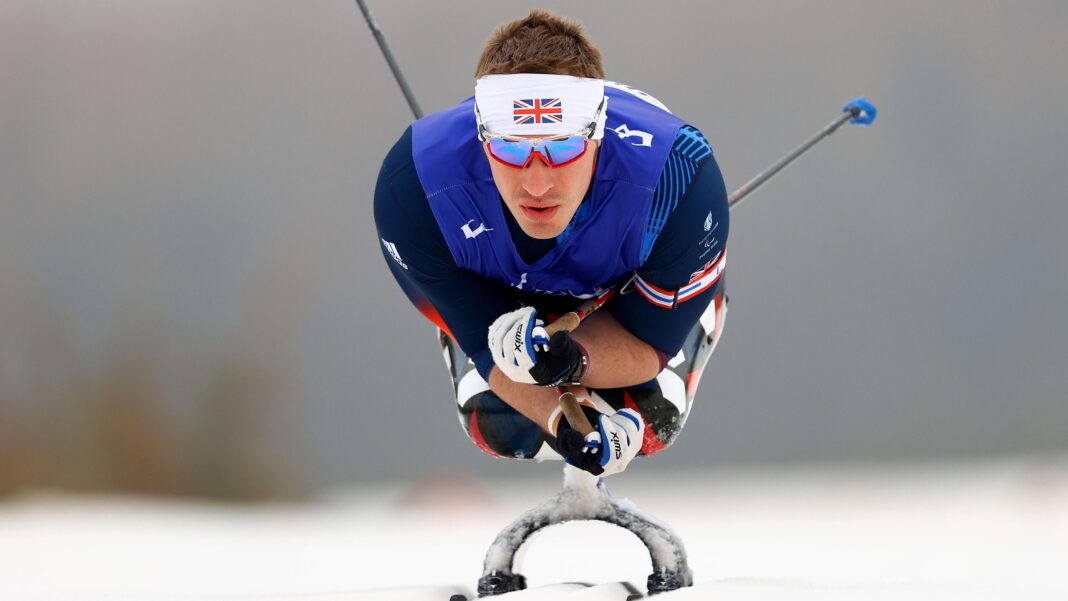
A rugby player before the accident, Meenagh became a rower during rehabilitation before switching to biathlon, the gruelling combination of cross-country skiing and shooting.
Next year’s games in Milan-Cortina mark the 50th anniversary of the first Winter Paralympics and will run 6-15 March.
“I needed a purpose,” Meenagh said. “I needed something that was going to kick me back into track and life again. And what sport presents you is an opportunity to be a better version of yourself every day.
“I feel that’s a real position I’m in at the moment. I’m not just given the opportunity to be a better version of myself. I’m expected to be better every day, that’s something that keeps me going.
“I’ve gone through some real difficult times in my life. I’ve suffered a lot of trauma and I also lost a really close friend of mine in Afghanistan. The perspective that gives you, that appetite for life is really strong. And, when you’ve probably been at the bottom, you try to make the very most of every day.
“The first bite of high-performance sport was taking part in the first-ever Invictus Games in 2014 as a rower. I was able to pull on that Great Britain tracksuit and compete on an international stage in front of my friends and family.
“It was a real milestone in my recovery journey, but also it really gave me the bug for that next level. That’s when I decided to really commit my life to sport.”
‘People thought I was at it’
Yet, when Meenagh first considered becoming a biathlete and dreamed of competing at the Winter Paralympics, the reception from some quarters was lukewarm.
“When I set out on that journey and started asking questions, I was met with an ‘Eddie the Eagle response’.”
He is referring to Eddie ‘the Eagle’ Edwards, the first British person to compete in the ski jump at a Winter Olympics.
Edwards finished last by some distance at the 1988 Winter Olympics and, while some there turned their noses up at the bespectacled plasterer, he captured the hearts of millions of television viewers across the world and his adventures became the subject of a movie in 2016.
Like Eddie the Eagle, though, Meenagh dared to dream and the idea hatched in coffee shops became a reality.
“I think people thought I was at it,” he said. “There was a lot of ‘we’re not handing out a free tracksuit’ chat right at the beginning.
“Very quickly, I surrounded myself with people who were well into the idea. We could see how viable a cross-country programme could be.”
Meenagh had been part of the GB rowing set-up until 2016, but a visit to the winter games a couple of years earlier inspired him to make a switch.
“They sent me to Russia in 2014 to experience the Paralympic Games as part of an inspiration programme,” he said. “And it was out there that I witnessed the biathlon.
“I was incredibly inspired by the fact it was one of these sports that encompasses every facet an athlete requires – the enormous aerobic capacity, the technical ability of skiing, the decision-making of shooting. You’re doing it in unbelievably harsh environments on the other side of the world.”
‘I’ve earned the right to expect success’
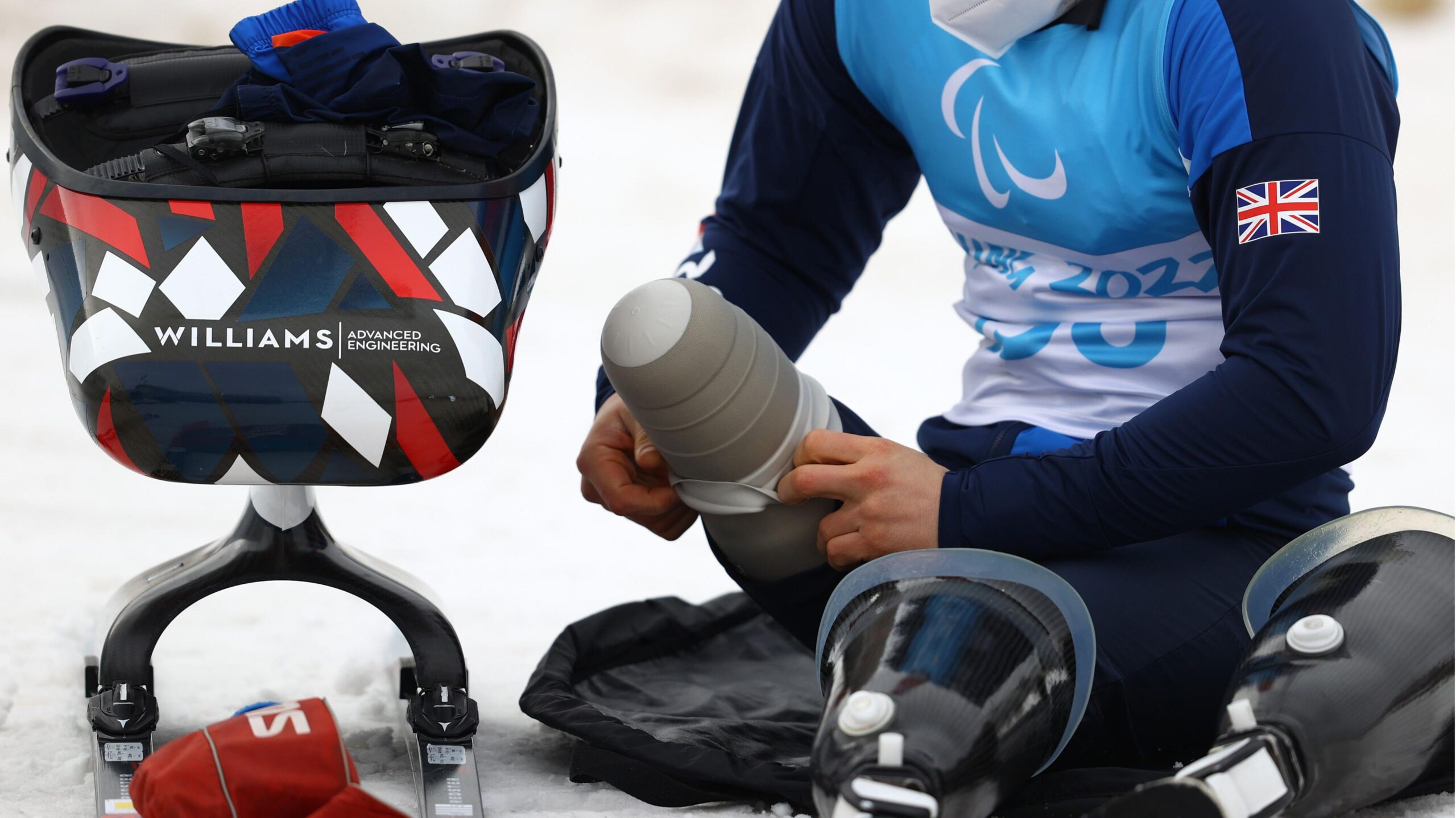 Getty Images
The worldwide Paralympic community pitched in to make Meenagh’s dream come true.
“We approached countries like Canada and the United States for equipment, coaching and guidance on how we get up and running,” he said. “We started as a small group of people in a coffee shop and it’s grown from there.
“I went to the games in 2018 in South Korea as the first British athlete to represent Great Britain in a sit-ski in a very long time and, after that, we were given UK sport support and funding and all of a sudden we had a high-performance programme. And it wasn’t just myself, there was a lot of other athletes, a lot of other staff coming on the journey with us.”
That journey continued through the Covid-19 pandemic and on to the 2022 games in Beijing, where Meenagh finished sixth.
His goal at his farewell games is a medal, describing himself as unapologetically ambitious.
“I’m starting to feel a bit of pressure getting into these games in terms of the trajectory we’ve been on in the sport, the performances I’ve been able to pull out, the results I’ve been able to achieve at World Championships,” Meenagh added.
“I’ve been on the podium twice now. I’ve had a silver and a bronze. I’ve earned the right to go into races expecting success.”