
This post was originally published on this site.
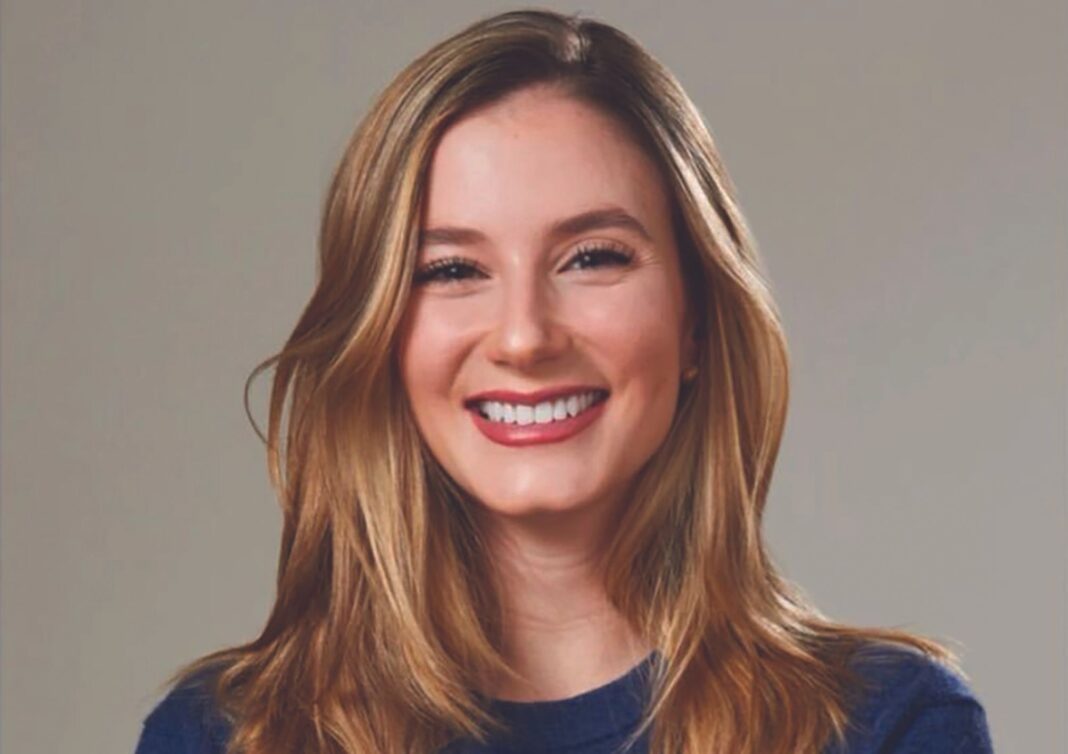
The boom in prediction markets this year has made it, alongside AI, one of the few industries where “young founders can become paper billionaires practically overnight”, says Bloomberg. Leading the pack are the 29-year-old duo behind Kalshi – Tarek Mansour and Luana Lopes Lara – who met as undergraduates at MIT. Both have interesting backgrounds. While Mansour grew up in Lebanon and had early dreams of becoming a competitive skier, Lopes Lara trained at the Bolshoi and became a ballerina in her native Brazil before moving to the US. This year, she became one of the youngest female self-made billionaires.
Kalshi has certainly performed un grand jeté. For six years the start-up – which offers wagers on everything from elections to pop-culture happenings – grew slowly, raising about $100 million in small funding rounds. Yet since June, its valuation has exploded by around 450% as outside investors have piled in and now stands at $11 billion.
Sign up to Money Morning
Don’t miss the latest investment and personal finances news, market analysis, plus money-saving tips with our free twice-daily newsletter
Don’t miss the latest investment and personal finances news, market analysis, plus money-saving tips with our free twice-daily newsletter
The event that put Kalshi on the map was the 2024 presidential election race when – having fought a lawsuit to become the first company to offer legal election contracts – it trounced traditional pollsters by correctly giving Donald Trump higher odds of victory.
But what has really greased its wheels this year has been a major move into sports betting: a gigantic, but still evolving US market where Kalshi is proving just as disruptive to established players. Investors are betting it will become “a sports-gambling behemoth”. But almost any event has profit potential, according to Matt Zhang of Hivemind Capital. “What these prediction markets have realised is that the news is a huge, liquid asset class.”
“There are few better trainings for being told ‘no’ and pushing through anyway than being a professional ballerina,” Alex Immerman, a partner at VC giant Andreessen Horowitz, told Forbes. Lopes Lara “learned persistence with grace early on… and she’s carried that same calm confidence into building Kalshi”. After graduating from the Bolshoi, she did a nine-month stint as a professional ballerina in Austria “before hanging up her pointe shoes” and heading for MIT to study computer science.
Lopes Lara spent her summers interning at Ray Dalio’s Bridgewater Associates and Ken Griffin’s Citadel Securities. But it was a blossoming friendship with classmate Tarek Mansour that launched her entrepreneurial career. The pair became close and one evening “the idea of a prediction market business just clicked”, says Forbes.
The duo spent the pandemic years “building the company, fighting for federal regulation approval and getting early backing from significant players, such as Charles Schwab and Sequoia Capital”, says The New York Post. The gamble has paid off. Having each retained a 12% stake in Kalshi, she and Mansour are now worth $1.3 billion apiece.
Great battles lie ahead for Luana Lopes Lara’s Kalshi
The biggest battles may lie ahead. As well as contending with growing competition from Polymarket and other contenders, Kalshi faces a big pushback against its sports-betting ambitions, says the FT. The year ended in a “significant” legal setback. But the battle will go on state by state and could end up in the Supreme Court. Lopes Lara will need every bit of her famous stamina.
This article was first published in MoneyWeek’s magazine. Enjoy exclusive early access to news, opinion and analysis from our team of financial experts with a MoneyWeek subscription.