

This post was originally published on this site.
When considering commercial construction loans, comprehension of the key factors that influence interest rates is vital. Your creditworthiness can greatly impact the rates lenders offer, as those with higher scores typically receive better terms. Moreover, the size of your loan and the project can affect costs, as larger projects may present more risks. In addition, the loan-to-value ratio, economic conditions, and duration of the loan likewise play critical roles. Let’s explore these factors in detail.
Key Takeaways
- Borrower’s creditworthiness, including credit score and payment history, significantly affects loan terms and interest rates.
- Loan amount and project size influence perceived risk, with larger loans typically incurring higher interest rates.
- The loan-to-value (LTV) ratio impacts rates, with lower ratios often leading to better terms for borrowers.
- Economic conditions, such as inflation and GDP growth, play a crucial role in determining borrowing costs and lender risk.
- The duration of the loan affects rates, with shorter terms generally offering lower interest due to reduced lender exposure.
Borrower’s Creditworthiness
In the matter of securing a commercial construction loan, a borrower’s creditworthiness plays a crucial role in determining the interest rates available.
If your credit score is 680 or higher, you’re more likely to access favorable commercial construction loan rates, as lenders view you as less risky. A strong credit history, marked by timely payments and low debt-to-income ratios, can help you secure lower construction financing rates, potentially saving you thousands over time.
Lenders examine your credit report for negative marks, like late payments or bankruptcy, which can raise borrowing costs.
Furthermore, demonstrating consistent cash flow through financial statements further improves your creditworthiness, leading to better loan terms for a construction loan for shopping centers or other projects.
Loan Amount and Project Size
When considering a commercial construction loan, the loan amount and the size of your project greatly influence the terms and interest rates you’ll encounter.
Larger projects often come with higher loan amounts, which can raise perceived risk for lenders, leading to increased construction interest rates. Typically, loan amounts range from $250,000 to $5 million; larger loans may attract more scrutiny regarding your financial stability and repayment capability.
Moreover, extensive and complex projects often require more financial backing, which can likewise drive up interest rates.
Conversely, if you’re working on a smaller construction project, you might benefit from lower interest rates, as they represent less risk for lenders and require smaller loan amounts compared to larger initiatives.
Loan-to-Value Ratio (LTV)
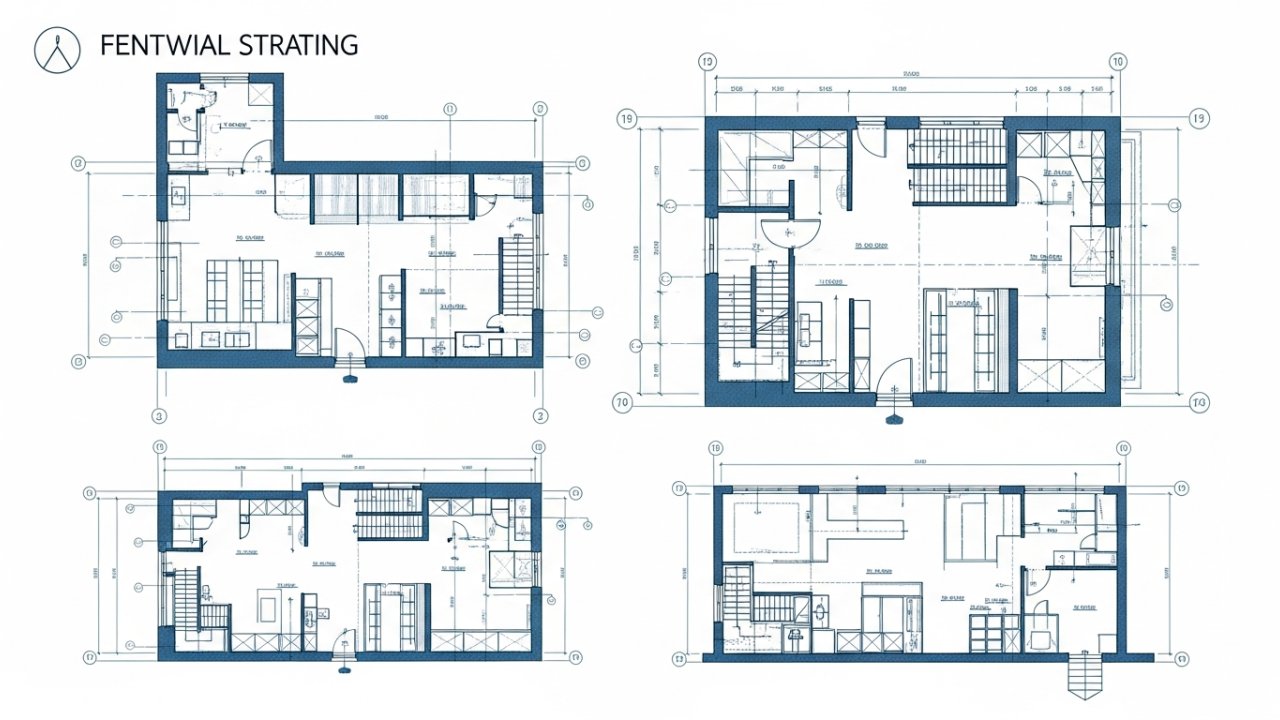
Comprehending the Loan-to-Value Ratio (LTV) is fundamental in the context of commercial construction loans, as it directly impacts your financing options and associated costs.
The LTV ratio is calculated by dividing the total loan amount by the appraised value of the property, serving as a key metric for evaluating financing risk. Typically, LTV ratios for commercial construction loans range from 70% to 90%.
A lower LTV usually indicates less risk for lenders, often resulting in better interest rates. Conversely, an LTV above 80% can lead to higher interest rates or additional collateral requirements.
Economic Conditions
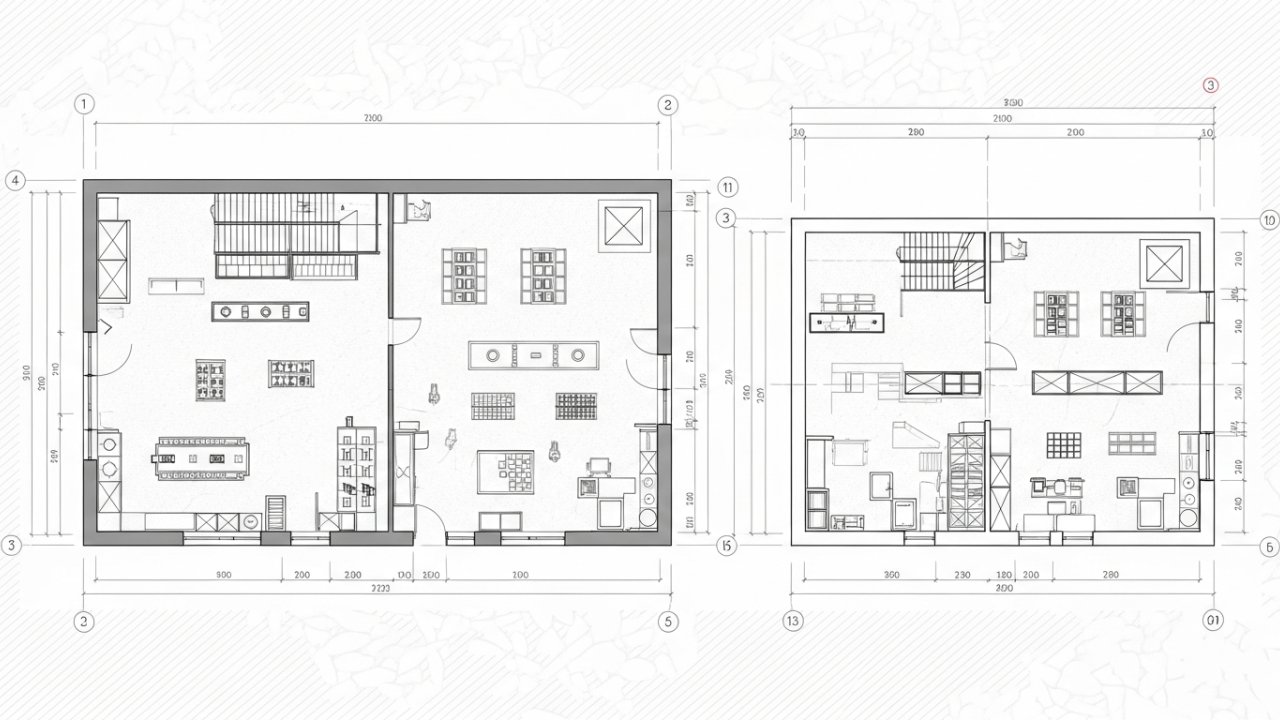
Economic conditions play a crucial role in determining commercial construction loan rates, as fluctuations in various economic indicators can directly influence borrowing costs. Several factors contribute to this dynamic:
- Inflation rates: Higher inflation typically leads to increased borrowing costs.
- Federal Reserve policies: Changes in monetary policy can directly affect interest rates.
- GDP growth: Strong growth can boost demand for real estate, influencing loan rates.
- Unemployment rates: Higher unemployment may signal economic instability, prompting lenders to raise rates.
- Global events: Economic uncertainties can lead lenders to increase rates to mitigate risks.
Understanding these factors helps you navigate the intricacies of securing favorable loan rates in commercial construction.
Duration of the Loan
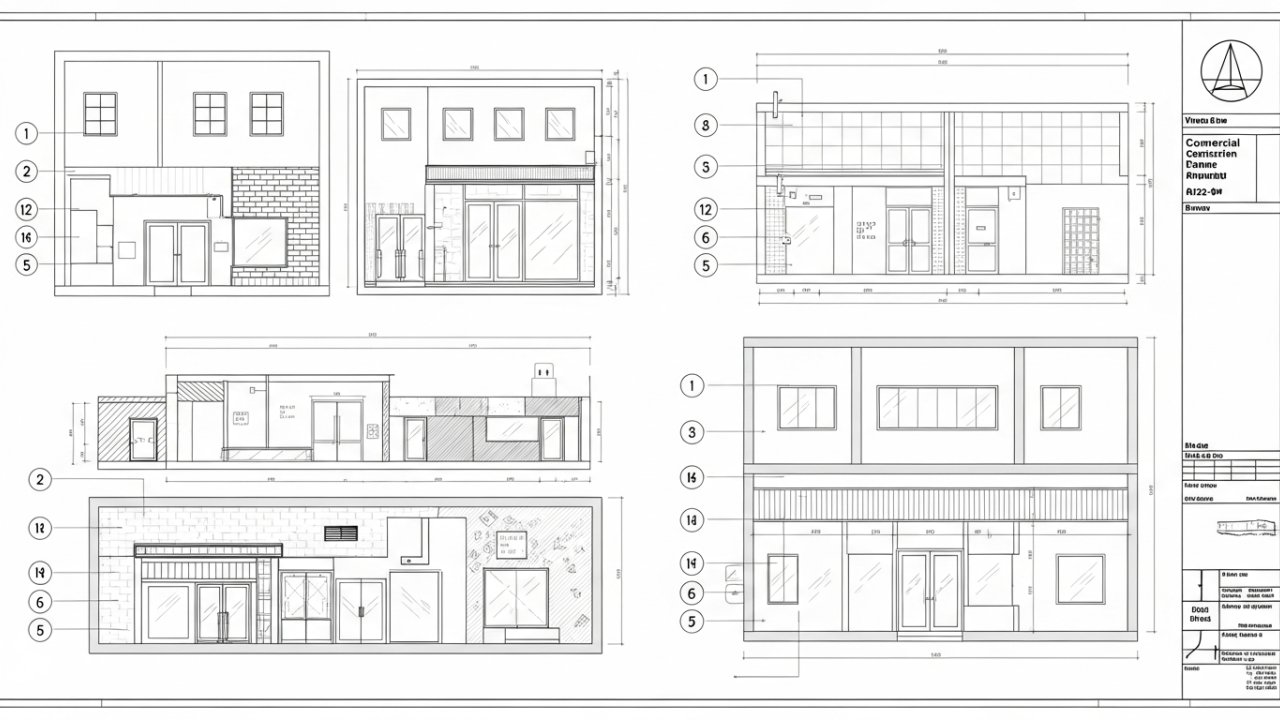
Grasping the duration of your commercial construction loan is essential, as it greatly impacts both your interest rates and repayment structure. Typically, these loans range from six months to three years.
Shorter terms often come with lower interest rates as they reduce risk for lenders. On the other hand, short-term loans (12-36 months) might carry higher rates owing to potential project delays. During construction, you’ll usually pay only interest, which affects your cash flow management.
Conversely, longer durations may result in increased interest rates since lenders face greater exposure to risks. Furthermore, shorter terms may require lump-sum payments at the end, influencing the total interest paid throughout the loan’s life.
Recognizing these nuances will help you make informed decisions.
Frequently Asked Questions
What Are the 5 C’s of Commercial Lending?
The 5 C’s of commercial lending are Character, Capacity, Capital, Collateral, and Conditions.
Character assesses your credit history, showing lenders your reliability.
Capacity looks at your cash flow, ensuring you can handle loan payments.
Capital represents your equity in the project, where larger down payments reduce risk.
Collateral involves assets you pledge, impacting loan terms.
Finally, Conditions reflect the economic climate, influencing the overall viability of your project and loan approval.
What Impacts Construction Loan Rates?
Construction loan rates are impacted by several key factors. Your credit score plays a significant role; scores above 680 typically secure better rates.
The loan amount and project size likewise matter, with larger loans often carrying higher rates because of increased risk.
[embedded content]
Furthermore, the loan-to-value ratio affects your interest; lower ratios typically lead to lower rates.
[embedded content]
Economic conditions, such as inflation, and the loan duration can further influence the costs associated with borrowing.
How Are Commercial Loan Rates Determined?
Commercial loan rates are determined by several factors. Your creditworthiness, particularly your credit score, plays a vital role, with scores above 680 typically securing better rates.
[embedded content]
The loan-to-cost ratio impacts perceived risk, affecting your interest rate. Economic conditions, like inflation and Federal Reserve policies, furthermore influence costs.
Moreover, the loan duration matters; short-term loans often have higher rates because of increased perceived risk, whereas the size and complexity of the project further affect rates.
What Are the Three Main Factors That Affect Interest Rates?
Three main factors that affect interest rates are your creditworthiness, the loan-to-value (LTV) ratio, and economic conditions.
If your credit score is high, you’re likely to secure lower rates. A lower LTV ratio signals less risk to lenders, which can likewise lead to better terms.
Furthermore, prevailing economic conditions, such as inflation and Federal Reserve policies, greatly influence borrowing costs, with stable economies typically offering more favorable interest rates.
Conclusion
In summary, comprehending the key factors that influence commercial construction loan rates can empower you to make informed decisions. By focusing on your creditworthiness, project size, LTV ratios, economic conditions, and loan duration, you can navigate the lending environment more effectively. For instance, improving your credit score or opting for a shorter loan term may lead to more favorable interest rates. By considering these elements, you can elevate your chances of securing a beneficial financing solution for your project.
Image via Google Gemini