

This post was originally published on this site.
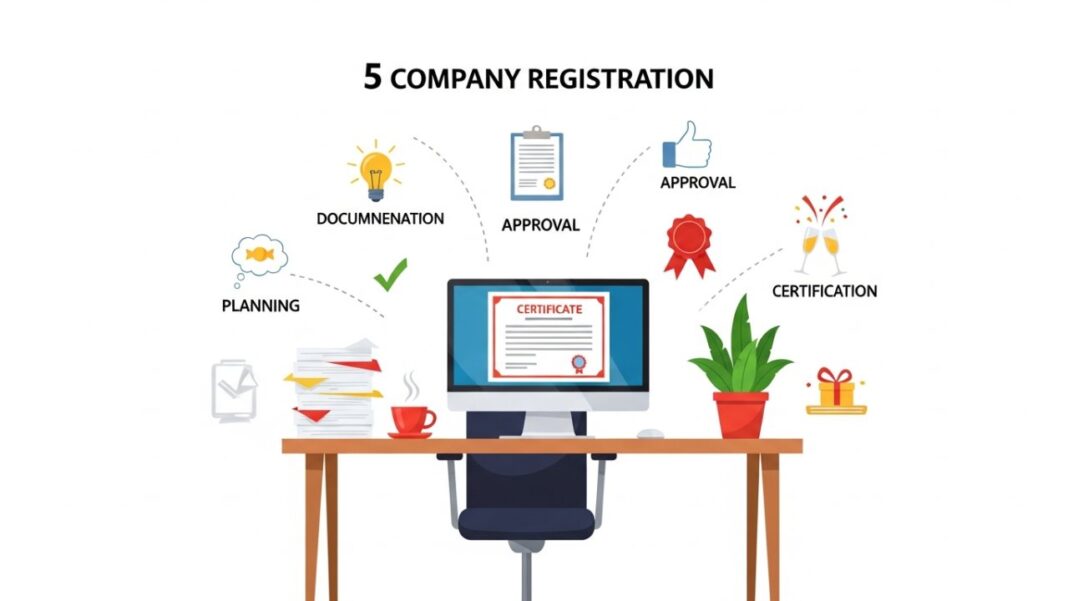
Starting a certificate company can seem intimidating, but it doesn’t have to be. By following five straightforward steps, you can simplify the process and set yourself up for success. First, you’ll need to choose a unique business name that appeals to your audience. Next, appoint a registered agent based in Texas, then decide on your business structure. After that, drafting an operating agreement is crucial before you file the Articles of Organization. Comprehending each step is key to your success.
Key Takeaways
- Choose a unique business name that reflects your brand and check its availability through the Texas business entity website and Google.
- Appoint a registered agent with a physical Texas address to handle legal documents and ensure compliance.
- Decide on a business structure, such as an LLC or corporation, considering legal and tax implications for your company.
- Draft an operating agreement detailing ownership, profit distribution, and management responsibilities to enhance credibility and clarify roles.
- File the Articles of Organization by submitting the Certificate of Formation to the Texas Secretary of State, ensuring compliance with naming requirements.
Choose Your Unique Business Name
Choosing a unique business name is essential for establishing your brand identity and avoiding potential legal complications. To begin, check the Texas business entity website and Google to confirm your chosen name isn’t already in use. This step is important, as it prevents trademark infringement issues that could affect your certificate of incorporation.
Consider using descriptive words that relate to your products or services, enhancing your market presence. Furthermore, conduct a name search with the USPTO to identify any existing trademarks that may pose conflicts.
Gathering feedback from friends and family can likewise help confirm your name resonates well with potential customers and stakeholders. A thoughtful name choice can greatly impact your business’s success and recognition in the market.
Appoint a Registered Agent

Appointing a registered agent is a critical step in the process of establishing your business, as this individual or entity will act as your official point of contact for legal documents. In Texas, your registered agent must have a physical address in the state and be available during regular business hours. You can choose to act as your own registered agent, appoint an employee, or hire a registered agent service for added privacy and professionalism. Keeping your registered agent information current with the Texas Secretary of State is fundamental to avoid legal complications.
[embedded content]
| Option | Pros | Cons |
|---|---|---|
| Self-Appointment | Control over documents | Limited privacy |
| Employee | Familiarity with business | Possible time constraints |
| Registered Agent Service | Professional handling | Additional cost |
Decide on Your Business Structure

Deciding on your business structure is a crucial step that greatly impacts your operations, liability, and taxes. In Texas, you have several options: Sole Proprietorship, Limited Liability Company (LLC), Corporation, General Partnership, and Limited Partnership.
Each comes with unique legal and tax implications. LLCs are often favored for startups because of their simplicity and personal liability protection, allowing profits to pass through to your personal tax returns.
Corporations, whether C or S-Corps, have different structures and shareholder limitations. A Sole Proprietorship is the easiest to set up, but it lacks liability protection.
Before making your choice, consult a legal advisor or accountant to understand the implications, including the need for a letter of incorporation for certain structures.
Draft Your Operating Agreement

After establishing your business structure, the next step involves drafting your operating agreement, particularly if you’ve chosen to form an LLC. This document outlines your ownership structure, management responsibilities, and operational procedures, ensuring everyone is on the same page. Although Texas doesn’t legally require it, having one increases your business’s credibility and aids in resolving conflicts.
| Key Elements | Importance | Notes |
|---|---|---|
| Ownership Structure | Clarifies member roles | Vital for multi-member LLCs |
| Profit Distribution | Prevents disputes | Details how profits are shared |
| Decision-Making Process | Improves collaboration | Defines how decisions are made |
| Member Changes | Maintains clarity | Covers adding or removing members |
| LLC Dissolution | Provides a clear exit | Outlines the dissolution process |
Keeping this agreement updated is significant for compliance and can be particularly useful during disputes or audits, especially regarding your limited liability company annual report.
File the Articles of Organization

Filing the Articles of Organization is a crucial step in officially establishing your LLC in Texas.
You’ll need to submit the Certificate of Formation for a For-Profit Limited Liability Company to the Texas Secretary of State, which you can do online or by mail. The filing fee is currently $300.
Typically, online submissions take about 2-3 business days for processing, whereas mailed applications may take up to 5 days. Be sure to include your LLC’s name, registered agent’s name and address, and the business purpose in your application.
Check that your chosen LLC name complies with Texas naming requirements to avoid delays.
Once approved, your Articles of Organization will establish your LLC as a legal entity under Texas law.
Frequently Asked Questions

What Are 5 Steps to Starting a Business?
To start a business, first, choose a unique name and check its availability.
Next, decide on the business structure, like an LLC or Corporation, which affects taxes and liability.
Then, hire a registered agent to handle legal documents.
After that, file your Certificate of Formation with the Secretary of State, usually online.
Finally, obtain an Employer Identification Number (EIN) from the IRS for tax purposes and employee hiring.
What Are the Steps to Register a Business?
To register a business, start by choosing a unique name and checking its availability.
Next, decide on a business structure like an LLC or Corporation, which impacts your liability and taxes.
File the Certificate of Formation with the Texas Secretary of State online, and obtain an Employer Identification Number (EIN) from the IRS.
Finally, make certain you apply for any required licenses or permits based on your business type and location to stay compliant.
What Is the 7 Step Process for Starting a Business?
To start a business, you’ll want to follow these seven steps:
[embedded content]
First, choose a unique business name.
Second, select a suitable business structure, like an LLC or Corporation.
Third, appoint a registered agent.
Fourth, file the necessary formation documents with your state.
Fifth, obtain an Employer Identification Number (EIN) from the IRS.
Sixth, set up a business bank account.
[embedded content]
Finally, make certain you comply with all local and state regulations to operate legally.
What Is the Best Way to Register a Company?
To register a company, start by choosing the right business structure, like an LLC or Corporation, for liability and tax benefits.
Next, file your Certificate of Formation online through the Texas Secretary of State’s website, which can take 2-3 days.
Appoint a registered agent in Texas to handle legal documents.
Don’t forget to get your Employer Identification Number (EIN) from the IRS for tax purposes and consider consulting a tax advisor for structure implications.
Conclusion
By following these five straightforward steps, you can successfully register your certificate company in Texas. Selecting a unique business name, appointing a registered agent, deciding on a business structure, drafting an operating agreement, and filing the Articles of Organization are crucial actions that will set your business on the right path. Once completed, you’ll be well-prepared to operate legally and efficiently in the state, allowing you to focus on growing your certificate business.
Image via Google Gemini