
This post was originally published on this site.
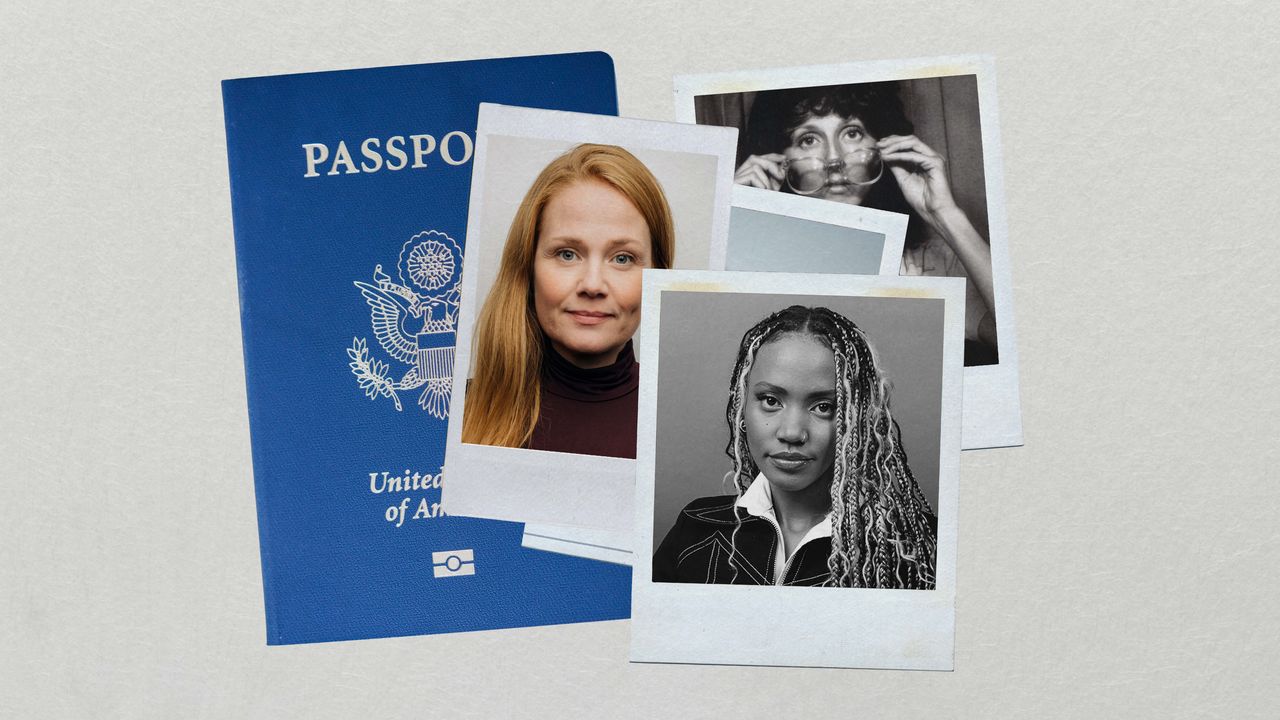
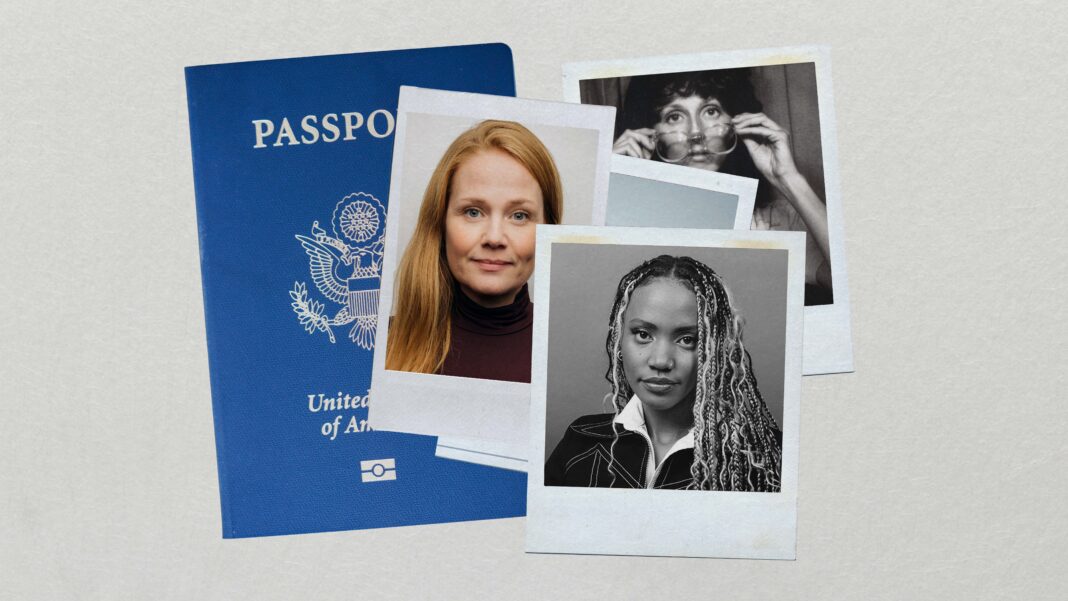
Your passport photo is the most important picture you will ever take, and the least glamorous. You are not posing on a rooftop in Palermo. You are in a bathroom or a pharmacy aisle, fresh haircut still settling, squinting at a white background, and wondering if this shirt will follow you for the next 10 years. For first-time passport applicants, the photo feels like a footnote in the excitement of going global. You’re thinking about that semester in Barcelona or the honeymoon in Bali, not the specific shade of your shirt collar. But here’s what nobody tells you: that passport photo gets examined more than any other picture you’ll ever take. It’s scrutinized at an average of six checkpoints per international trip—departure check-in, security, gate boarding, arrival immigration, hotel registration, and departure verification.
For a typical American who takes four international trips a year, that’s 240 hard stares over your passport’s lifetime, not counting visa applications, police encounters, or those random document inspections at European train stations. Get it wrong, and you don’t just look bad, you might not get the passport at all. Although the new online passport renewal system allows Americans to upload photos and complete the entire process digitally, beginning in October 2025, the U.S. Department of State implemented significantly stricter passport photo requirements, aligning them with International Civil Aviation Organization biometric standards now followed by 191 countries. The enforcement affects approximately 22 million passport applications processed annually, with selfies and AI enhancement features being the number one culprit. Get it right the first time or face weeks of delays, thousands in rebooking fees, and explaining to your boss why you can’t make that meeting in Milwaukee while your passport sits in administrative purgatory.
Decoding the dress code
“Simple, classic, and non-distracting from your face,” says New York-based fashion stylist Seppe Tirabassi, a frequent traveler who’s stood in his share of passport lines from LAX to Linate. His prescription? “A simple black tee or navy button-up. Avoid prints, patterns, or logos.”The rules ban uniforms, anything resembling uniforms, and camouflage patterns. This extends beyond military fatigues to include that vintage army surplus jacket, the flight attendant scarf from Tokyo, and even your Halloween postal worker costume. “I’ve heard of people getting rejected for a simple epaulette detail on a jacket,” Tirabassi warns. “Anything that reads as vaguely military is asking for trouble.”
The color conundrum causes more rejections than you’d think. While white shirts are technically allowed, they risk creating a floating-head effect against the mandatory white background. “Think of it like getting dressed for a portrait against white seamless paper,” Tirabassi explains. “You need contrast to define where you end, and the background begins.” Dark solids work best—navy for understated professionalism, burgundy for warmth without distraction, forest green or charcoal for timeless sophistication. Save the neon pink, Hawaiian prints, and band tees for actual travel. The photo crops from roughly shoulder-level up, making the neckline choice crucial. “A crew neck or subtle V-neck is your safest bet,” advises Tirabassi, who’s styled executives for corporate headshots using the same principles. “Even perfectly modest strapless tops can get flagged because the crop makes them appear bare-shouldered.” High-necked shirts, collared blouses, and simple crews eliminate any ambiguity. That strapless sundress or deep-V creates unfortunate illusions of nudity. Not the first impression you want documented at customs.
The Glasses and Accessories Situation
Take off your glasses or sunglasses. If you wear them for medical purposes, submit a signed doctor’s statement. Even if you’ve worn prescription lenses daily for 20 years, they come off for the photo unless you have documented medical necessity. The glare and shadow issues cause too many rejections. Jewelry can stay, if it’s subtle. Your everyday nose ring or small earrings are fine, provided they don’t obscure facial features. Those gold chandelier earrings? They’ll likely create glare or shadows that trigger rejection. When in doubt, minimal wins. Take off your hat or head covering. If you wear one for religious purposes, submit a signed statement that says it is religious attire worn daily in public. You can write this statement yourself; just ensure that you sign it and attach it to your application. The turban stays, the baseball cap goes. You cannot wear headphones or wireless hands-free devices. Yes, even your AirPods need to come out.
Hair, makeup, and facial expression
Hair shouldn’t obscure the face. So, you can wear your hair up or down, in a ponytail or a bun. Bangs mustn’t cover the eyes or eyebrows. If your bangs are borderline, pin them back. Your ears don’t need to be visible in a passport photo as long as the oval of your face isn’t obscured. The key is full facial visibility, not specific feature requirements. Passport photo requirements for makeup are fairly liberal; however, avoid reflective or excessive makeup that may alter natural facial features. Skip the contouring, refrain from using lipliners, and steer clear of fake eyelashes. Natural makeup that reduces shine and evens skin tone is fine. The dramatic smoky eye you love for nights out will make facial recognition software unhappy. As for your expression, make sure your eyes are open and your mouth is closed in your photo. The State Department now accepts a slight, natural smile with closed mouth, but the safest bet remains a neutral expression. Think Mona Lisa, not a winning contestant on The Price is Right.
Where to get your photo taken
Pharmacy chains dominate the passport photo market, with Walgreens offering the service at most locations and CVS providing it at select stores. Call ahead to confirm. CVS delivers photos within minutes while Walgreens typically takes under an hour, both offering digital copies alongside prints without appointments. Budget alternatives include Walmart (limited locations), FedEx, UPS, and USPS acceptance facilities that process passport applications. But don’t overlook independent photo studios and local print shops, which often provide superior personalized service. They’ll retake shots until you’re satisfied, adjust lighting for your skin tone, and know rejection triggers from experience. These smaller operations excel with challenging subjects like squirmy toddlers or photos requiring religious headwear, and many include both digital and print versions without the typical upsell tactics of chain stores. If you live in New York City, Gothamist recently featured a particularly popular Chinatown operation.
Professional tips for DIY success
If you’re taking your own photo, preparation prevents rejection. First, abandon any notion of using a selfie. The arm visibility and awkward angle guarantee failure. Instead, use a tripod with a timer or recruit someone to play photographer. Your background needs more attention than you think. Most home walls have subtle textures, nail holes, or color variations that cameras amplify. A white flat sheet, stretched taut and evenly lit, creates a more reliable backdrop than searching for the perfect wall. Position yourself far enough away—at least three feet—so the background reads as uniformly white rather than showing every wrinkle or shadow.