

This post was originally published on this site.
Drive an hour east into the hills of El Carmen de Viboral and you’ll find another keeper of roots: La Casa de Vero. Operating on weekends and for special events, the open-air restaurant is run by chef and cultural guardian Verónica Gómez, who embodies cocina de montaña with dishes that draw on family traditions and the land around her. Ingredients come from nearby veredas, rural farming communities in the mountains, and the centerpiece is often a bubbling pot of meat and vegetable sancocho simmering over wood fire. The experience feels less like dining out than being welcomed into a friend’s home, an immersion in Antioquia’s living food heritage. La Casa de Vero channels the intimacy of mountain cooking.
Sancho Paisa, meanwhile, embodies Antioquia’s other pole: the sprawling roadside feast. With two locations along the highway between Medellín and José María Córdova International Airport, it’s the kind of place where bandeja paisa arrives in unapologetic abundance—beans, chicharrón, arepas, and grilled meats stacked high—and where weekends turn into family gatherings in the open-air pavilion. It bookends a Medellin trip perfectly, whether it’s your first stop off the plane or last taste before heading home.
In 2026, Medellín belongs on any traveler’s eating calendar. It’s a city that doesn’t just feed you but pulls you into its rhythm, plate after plate, night after night. —Allie Lazar
Medellín also appears on our list of the Best Places to Go in Central and South America in 2026. Find more reasons to visit in 2026 here.
Minas Gerais, Brazil
Go for: celebrated cheesemaking traditions, road trips to vineyards, and old mercados made new
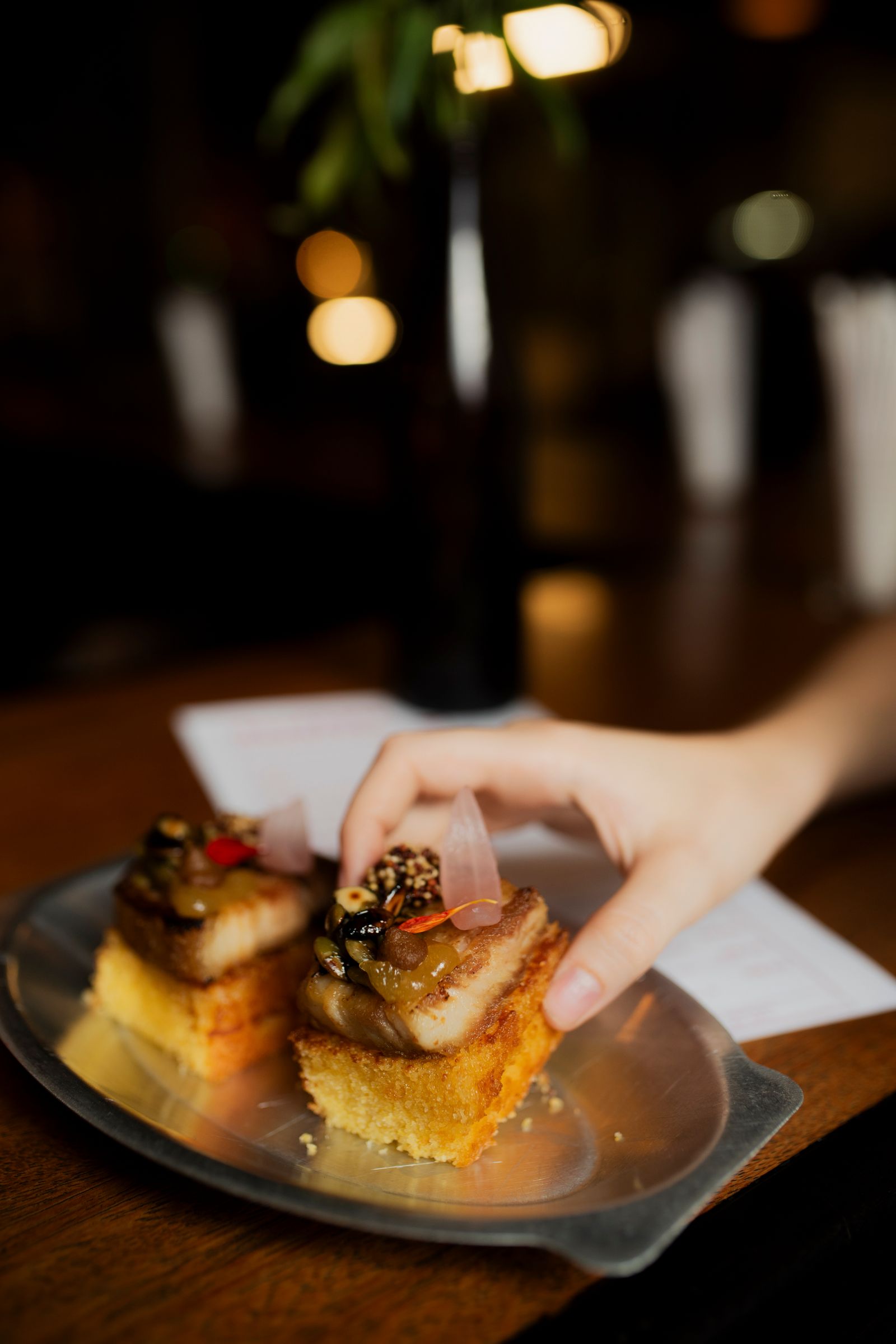
Within Brazil, Minas Gerais is famed for a gastronomic culture rooted in rural, homestyle dishes and farm-made ingredients—particularly, its cheese and coffee. But as those traditions and foraged foods find their way onto tables in the capital city of Belo Horizonte, a wider audience is catching wind of the bounty this state is known for. In December 2024, UNESCO recognized Minas Gerais’s artisanal cheese production as Brazil’s first food-related intangible cultural heritage, celebrating the 106 municipalities within the state where local cheeses have been made for more than three centuries with nothing but raw milk, natural rennet, and the pingo (natural yeast) starter unique to each farm. Among those cities, Serro stands out for its mild, slightly tangy namesake product, and it has become the focus of the state’s second official tourist route: With around 800 small producers and family farms in Serro, the self-guided trail allows visitors to tap into the 300-year-old craft of cheesemaking and the enduring gastronomic heritage of Minas Gerais across the Cordilheira do Espinhaço mountain range—and aims to boost experiential travel and celebrate rural traditions. At Fazenda Ventura, amid grazing herds and rolling hills, the family will lead guests from barn to dairy before serving their award-winning cheeses; at Fazenda Córrego do Taboão, the experience extends beyond cheesemaking to include a visit to the farm’s museum and watermill, ending with a wood-fired tasting of cheeses and classic Minas pastries, all just a four-hour drive from the bustle of Belo Horizonte.
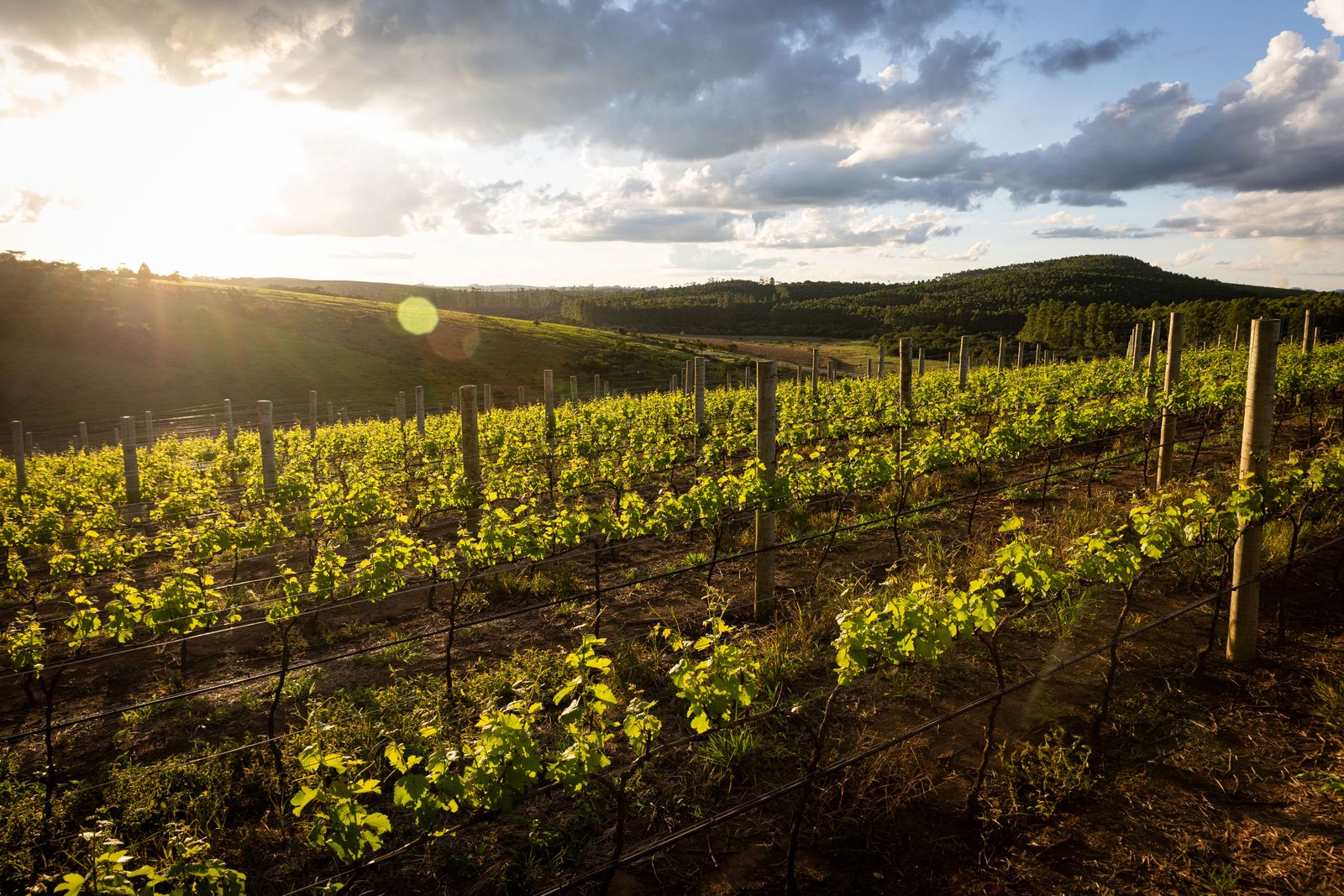
Meanwhile, Tiradentes—a village established in the 18th century and home to Brazil’s longest-running gastronomy festival—is experiencing a new passion for wine. Pioneers such as Vinícola Luiz Porto in town and Vinícola Trindade, which opened in nearby Bichinho (five miles away), are poised to grow wine tourism: Visitors can now taste Sauvignon Blanc and Syrah wines while gazing at the lush Serra de São José, or sample them straight from the tanks inside the cellars. A 50-minute drive from Tiradentes takes visitors to Mil Vidas, where the enological experience begins with a guided tour of the vineyard, focusing on the particularities of cultivation—especially the dupla poda (double pruning) technique that allows for winter harvests in Brazil—followed by a wine pairing with five award-winning cheeses. As for the Tiradentes Cultural and Gastronomy Festival, the first edition of which took place in 1998, when Tiradentes had just a few restaurants, the tradition continues every August, highlighting how far the food scene has come. Today, dozens of great restaurants line the town’s streets, from traditional joints like Tragaluz, housed in a 300-year-old colonial mansion and now joined by a more modern sibling, Lagar, to contemporary spots such as Angatu, where young chef Rodolfo Mayer gives local ingredients a fresh twist.