
This post was originally published on this site.
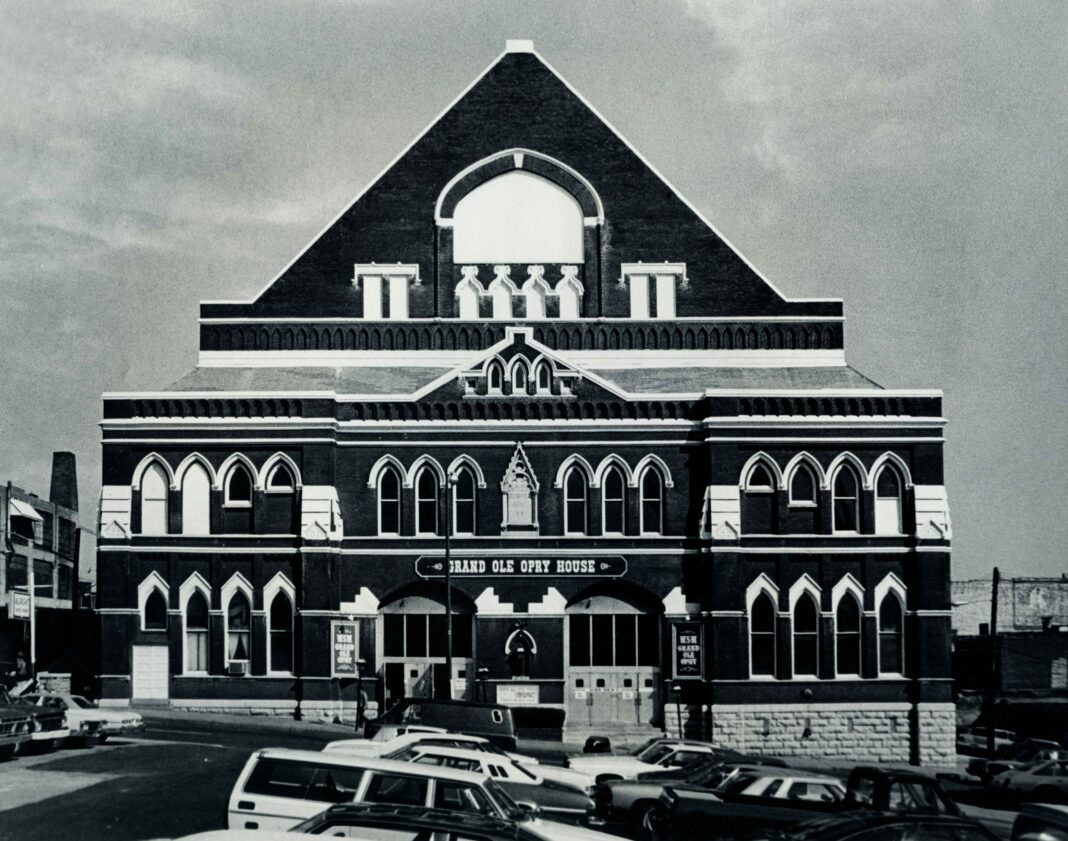
For the past century the Opry has been Music City‘s crucible for forging country music myth and legend. In 1945 at the Opry, formerly called the WSM Barn Dance, Bill Monroe’s Blue Grass Boys introduced American listeners to the genre that would come to bear the group’s name. In 1959, following an introduction by Johnny Cash, a 13-year-old Dolly Parton made her Opry debut at the Ryman Auditorium, the program’s longtime downtown home before moving in 1974 to the Grand Ole Opry House, north of the city.
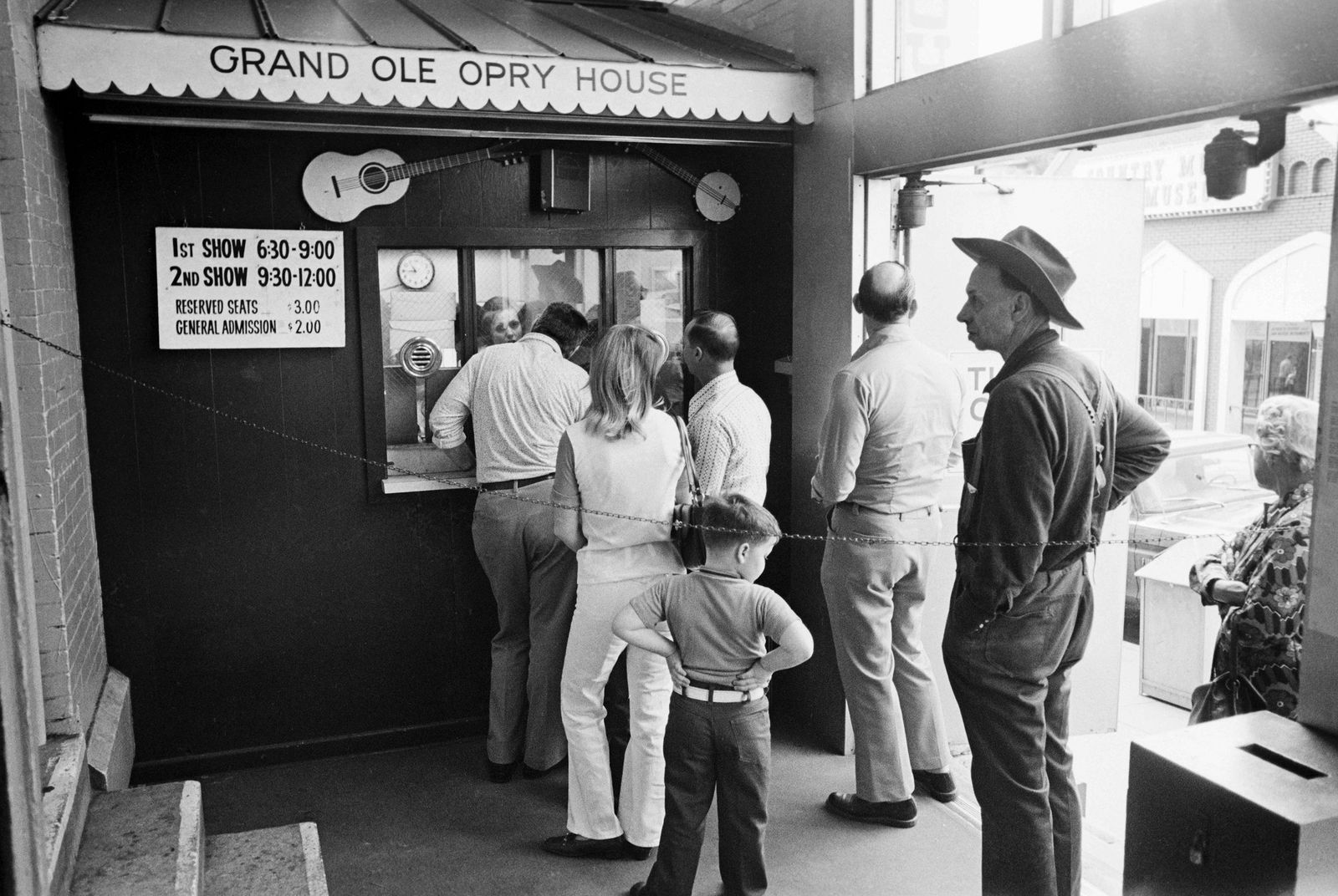
Nashville became Music City with the Opry as its voice. But when familiar names like Anderson introduce new talent like Foster, whose career is steeped in nostalgia and tribute, the transition feels more like the renewal of tradition than an evolution. The Grand Ole Opry can still feel like a club with a very specific type of member. I am a native Tennessean and lifelong lover of country music. Going to the Opry always feels like a homecoming, even if the place never exactly felt like a home for someone like me, a queer Gen Z Taiwanese woman. But its original mission—to bring country music to new listeners—thrives within Nashville’s next generation of venues and museums, which are creating inclusive spaces that counter the Opry’s exclusivity.
Over the past five years, more than 100,000 new residents have moved into the Nashville area. Many have brought with them a fresh vision of what country music can mean. Inside one of the RNBW Queer Music Collective‘s biweekly music nights, disco balls and swathes of rainbow fabric surround young, fun, and queer fans of country music. Hosted at East Nashville’s Lipstick Lounge, one of the 38 remaining lesbian bars in the United States, RNBW’s packed queer music nights paint LGBTQ+ country as not the margin but the center. I stopped by a show later the same month as the Opry’s anniversary extravaganza and bumped shoulders with a country crowd that felt unlike any other I’d ever found myself in. Cowboy hats sat atop dyed hair and wolf cuts; trucker hats and muscle tees were worn by more than just the men; and for once, I didn’t feel like I was the minority—or that a human existed who didn’t belong there. The collective was founded in 2016 by queer music executives Emily and Jamie Dryburgh at a political moment when the rights of the queer community were increasingly being threatened by Tennessee’s passage of anti-LGBTQ+ legislation. Just across from the Ryman, which is still going strong as one of Nashville’s most iconic concert venues, and a five-minute walk away from the Country Music Hall of Fame, the four-year-old National Museum of African American Music shines an overdue spotlight on the Black artists who have long been integral—but too often overlooked—in shaping country’s sound. The museum’s 1,500-strong collection spans five centuries of African American music, from its West African origins via slave ships to the political roots of hip-hop.